




Auger Hollingsworth helps clients in Woodbridge understand their insurance coverage and pursue compensation after a collision with a commercial vehicle. If you were injured or lost a loved one in a truck crash, start with a free, no-commitment consultation with one of our personal injury lawyers in Woodbridge.
Your Trusted Truck Injury Lawyers in Woodbridge
Our personal injury lawyers represent people injured in truck accidents across Woodbridge and Vaughan, including crashes on Highway 400, Highway 407 and Highway 7. An experienced truck accident lawyer can explain which insurance company to contact, what evidence to preserve and whether you may have a personal injury claim.
If you can do so safely, save photos, dashcam footage, witness contact details and any police report number. Keep copies of your medical records, receipts and correspondence from insurance providers. If you are helping an accident victim who is in hospital, you can contact our legal team to ask what steps the family can take.
Causes of Truck Accidents in Woodbridge
Trucking accidents can happen when a tractor-trailer changes lanes, a delivery truck backs out of a loading area or a commercial vehicle fails to stop in traffic. After a commercial truck accident, we look at the conduct of each driver, the condition of the vehicle and the circumstances leading up to the crash.
- Driver error. Driver fatigue, distracted driving, reckless driving and impaired driving can contribute to commercial truck crashes. A truck driver may also follow too closely, misjudge a turn or change lanes without checking a blind spot.
- Vehicle and equipment problems. Poor truck maintenance can leave brakes, tires or lights in unsafe condition. If a mechanical issue or faulty equipment contributed to the crash, inspection records can help show who was responsible for the vehicle or component.
- Cargo and road conditions. Unsecured cargo can shift during braking or a turn. Poor road conditions, reduced visibility and construction lane changes can also contribute to a commercial vehicle crash.

Request a Call Back
NO WIN, NO FEE GUARANTEE

"(Required)" indicates required fields
Common Truck Accident Injuries
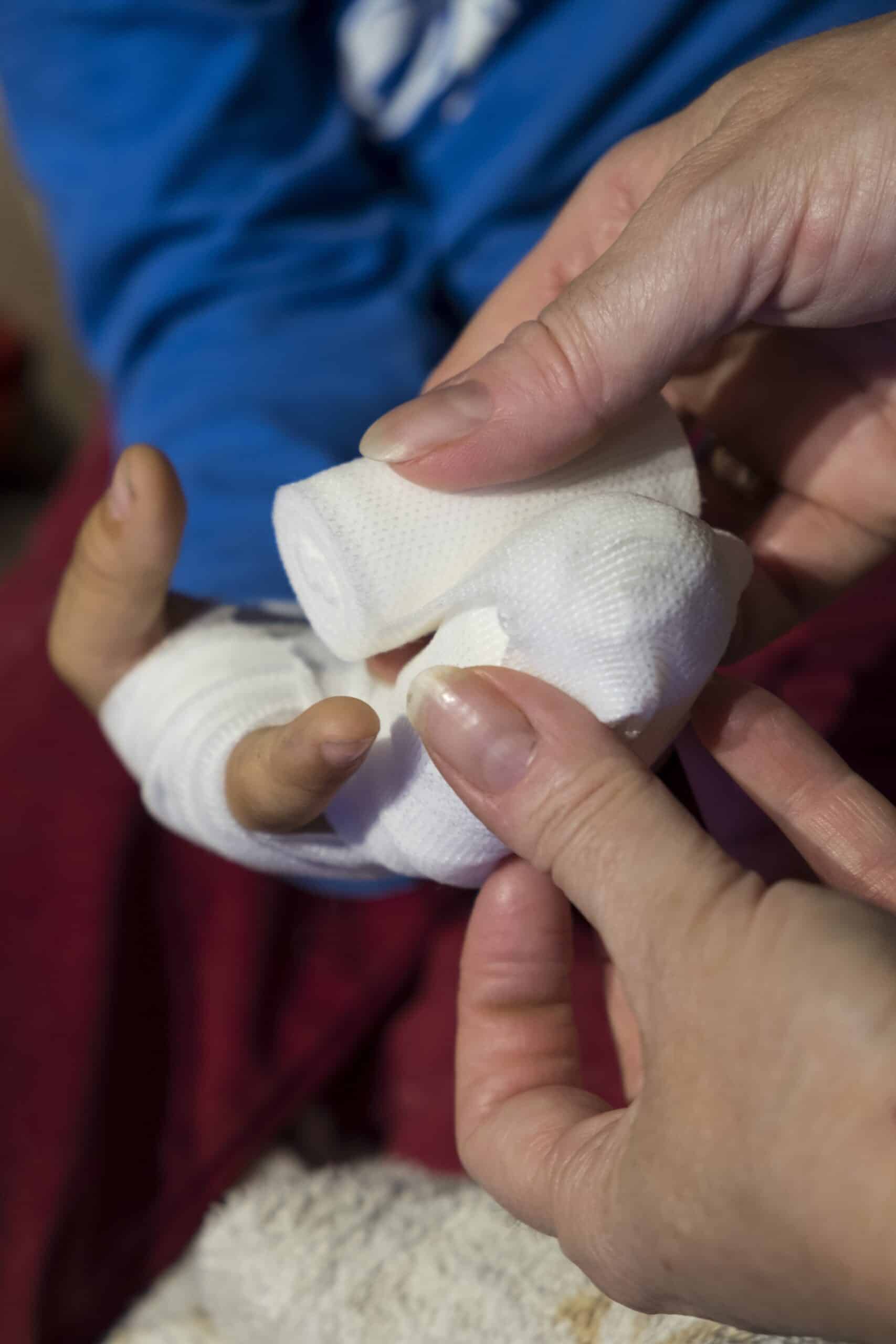
Collisions involving commercial trucks can cause severe injuries that require surgery, rehabilitation or ongoing medical care. We document how those injuries affect your ability to work, manage daily tasks and live independently.
- Traumatic brain injury, including concussion, with symptoms that may affect memory, concentration or balance.
- Spinal cord injuries, which can affect movement and sensation and may require attendant care or home modifications.
- Fractures, crush injuries and internal injuries, which may require surgery and follow-up treatment.
- Psychological injuries, including persistent anxiety or post-traumatic stress that affects sleep, travel or work.
After a catastrophic accident, future treatment and long-term care claims may require assessments to estimate ongoing support needs. In fatal truck accidents, eligible family members may have claims of their own. We help families understand what they may be able to claim when a collision causes fatal injuries.
Establishing Liability in Truck Accidents
A truck accident lawyer examines who owed you a duty of care, how they failed to meet it and whether that failure caused your injuries. The potentially liable parties may include a negligent driver, a trucking company, the vehicle owner, a cargo loader or a maintenance contractor.
- Drivers. We examine whether negligent truck drivers or other at-fault drivers contributed to the collision through unsafe lane changes, speeding or other conduct.
- Truck owners and operators. We review whether a trucking company or vehicle owner may be legally responsible for the driver’s conduct or for failures in maintenance, training or oversight.
- Other businesses. A maintenance contractor, cargo loader or equipment manufacturer may share responsibility if its work or product contributed to the crash.
A truck accident investigation includes identifying who controlled the driver, vehicle, equipment or cargo. We use evidence such as electronic logging device records, dispatch records, inspection reports, bills of lading and camera footage to identify each potential at-fault party. That evidence helps determine whether several negligent parties share responsibility and which insurance claims to pursue.