




A Niagara Falls slip and fall lawyer helps people injured on unsafe property pursue compensation for medical expenses, lost income, and other incident-related losses. We investigate what happened, explain your legal rights, and handle communications with the insurance company while you focus on recovery. For compassionate support and clear legal guidance from our Niagara Falls personal injury lawyers, contact Auger Hollingsworth Accident & Injury Lawyers.

Common Causes of Slip and Fall Incidents in Niagara Falls
A slip and fall incident can happen wherever dangerous property conditions are left unaddressed. We investigate incidents causing injuries at at grocery stores, hotels, restaurants, rental properties, tourist attractions, parking lots, and other locations across Niagara Falls.
Icy and Snowy Conditions
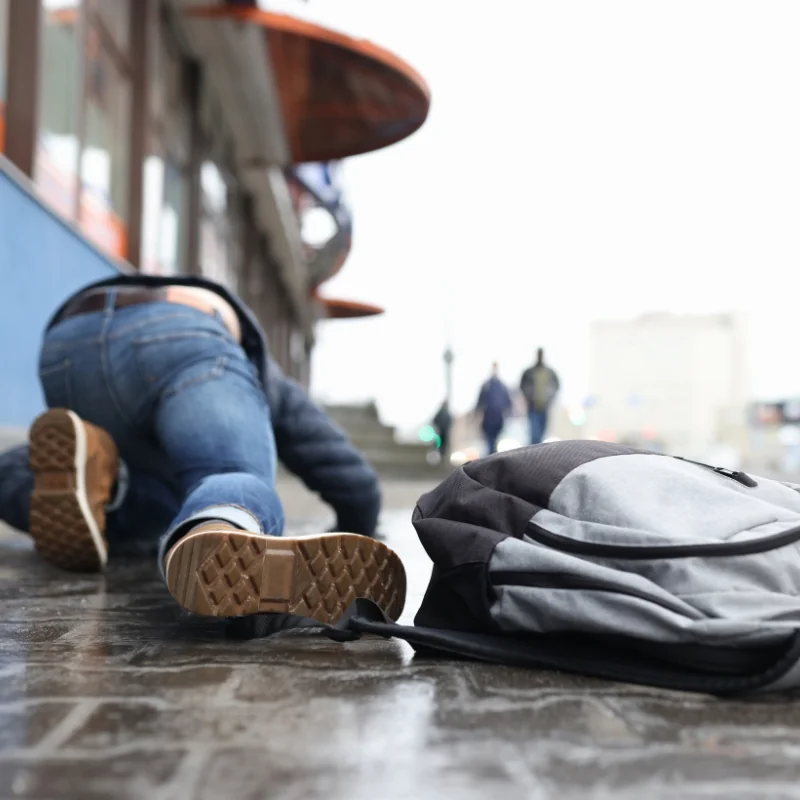
Ice and snow can create serious hazards on sidewalks, stairs, parking lots, and building entrances. Property owners, businesses, and maintenance contractors may be responsible for addressing dangerous winter conditions within a reasonable time.
We examine snow- removal activities, salting records, weather reports, maintenance contracts, and inspection schedules. These details help determine whether snow and ice contributed to preventable injuries.
Uneven Surfaces
Cracked pavement, broken tiles, raised thresholds, loose floorboards, and uneven carpeting can cause someone to trip without warning. These hazards are especially dangerous when they are difficult to see or located in busy pedestrian areas.
A property occupier may be responsible when a known defect is not repaired, blocked off, or clearly identified.
Wet or Slippery Floors
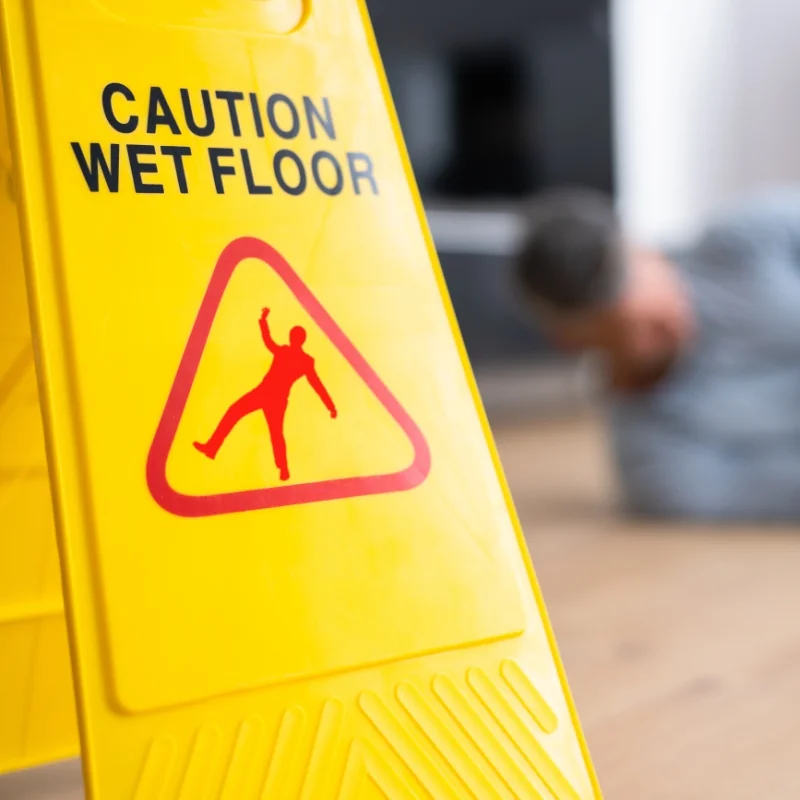
Spilled drinks, tracked-in rainwater, freshly mopped surfaces, and leaking equipment can create slippery floors. Grocery stores, restaurants, hotels, and other businesses should have reasonable procedures for identifying and responding to these conditions.
Warning signs may reduce risk, but their presence does not automatically eliminate liability. We assess whether the business responded appropriately and whether the hazard remained accessible.
Improper Lighting
Poor lighting can make it difficult to see steps, uneven flooring, puddles, and other hazards. Dim parking garages, stairwells, hallways, and outdoor walkways can increase the risk of a serious fall.
A property owner or occupier may be liable if inadequate lighting contributed to an incident and reasonable maintenance could have prevented it.
Poorly Maintained Walkways
Loose paving stones, potholes, debris, damaged curbs, and deteriorating sidewalks can create dangerous walking conditions. These problems can occur on commercial premises, residential properties, and municipal property.
Responsibility depends on who controlled the location and maintained the walkway. Claims involving municipalities may also require prompt written notice and additional legal steps.
Inadequate Handrails
Missing, unstable, or poorly positioned railings can make stairs and ramps difficult to navigate safely. A person may also fall when a handrail fails under normal use.
Our personal injury lawyers investigate whether the property had appropriate safety features and whether maintenance problems contributed to the incident.

Request a Call Back
NO WIN, NO FEE GUARANTEE

"(Required)" indicates required fields
Types of Slip and Fall Injuries We Handle
Slip and fall injuries can range from temporary discomfort to permanent disability. We represent people whose injuries affect their health, employment, independence, and ability to manage daily activities.
Cuts and Bruises
A fall can cause cuts, bruising, swelling, and soft tissue trauma. Some wounds require stitches, infection management, or follow-up medical treatment.
Although these injuries may appear minor initially, complications can arise. Photographs and medical records help document the severity and progression of these injuries.
Soft Tissue Damage
Sprains, strains, torn ligaments, and muscle injuries can cause persistent pain and reduced mobility. Commonly affected areas include the shoulders, knees, ankles, neck, and lower back.
Recovery may require physiotherapy, medication, rehabilitation, or time away from work. Medical evidence helps establish how the injury affects daily functioning.
Fractures
Falls frequently cause broken wrists, ankles, hips, arms, and legs. Older adults may face increased complications following a hip fracture or other serious break.
Treatment can include surgery, casting, mobility aids, and extended rehabilitation. A fracture may also cause permanent limitations or prevent someone from returning to their previous job.
Head and Brain Injuries
A person can suffer a concussion or traumatic brain injury after striking their head during a fall. Symptoms may include headaches, dizziness, memory problems, nausea, fatigue, and difficulty concentrating.
Some symptoms do not appear immediately. Prompt medical assessment helps identify the injury and support an appropriate treatment plan.
Spinal and Back Injuries
Falls can cause herniated discs, vertebral fractures, nerve damage, and chronic back pain. Serious spinal cord injuries may result in permanent changes to mobility, sensation, and independence.
A spinal cord injury can require ongoing rehabilitation, home modifications, attendant care, and specialized medical equipment. We assess both immediate needs and anticipated long-term expenses.
Proving Liability in Slip and Fall Cases
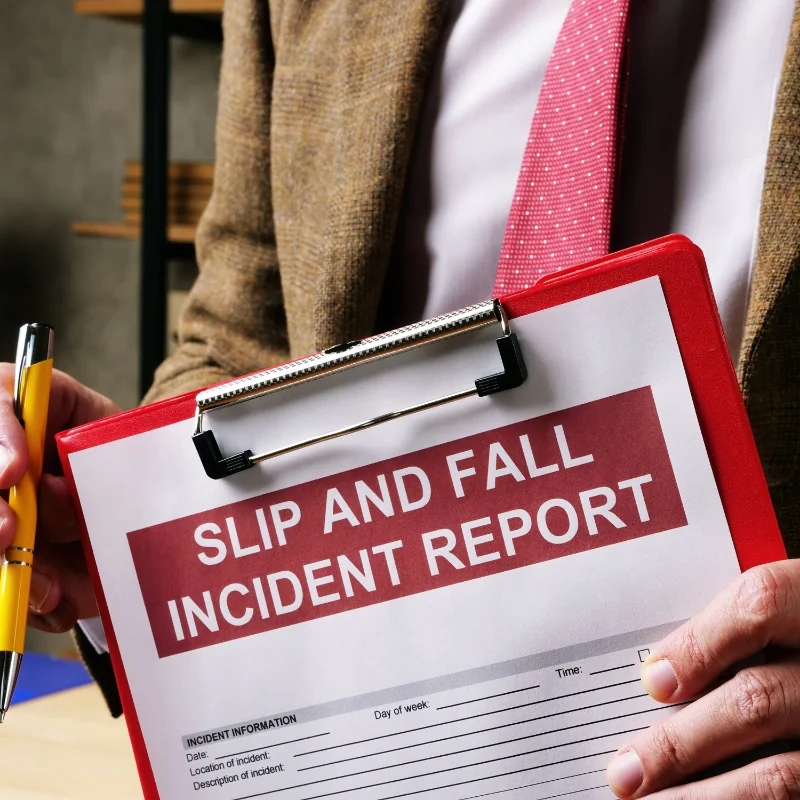
A successful personal injury claim generally requires evidence that the party responsible for the property failed to take reasonable steps to keep visitors safe. Our lawyers investigate the hazard, determine who controlled the premises, and assess how the incident occurred.
Ontario’s Occupiers’ Liability Act addresses the duty of care owed by people and organizations that occupy or control property. These occupiers’ liability laws can apply to a private property owner, business operator, landlord, property manager, maintenance contractor, or another responsible party. Occupiers’ liability does not mean every fall automatically results in compensation. A premises liability claim generally depends on whether reasonable precautions were taken under the circumstances.
We investigate factors such as:
- How long the hazard existed before the incident
- Whether the owner or occupier knew, or reasonably should have known, about the danger
- Whether regular inspections and maintenance procedures were followed
- Whether appropriate warning signs, barriers, lighting, or railings were provided
- Whether a contractor was responsible for cleaning, repairs, or winter maintenance
- Whether the injured person’s actions contributed to the incident
- Whether the evidence connects the unsafe condition to the injuries claimed
Evidence may include witness statements, witness testimony, inspection logs, maintenance records, photographs, video recordings, medical records, and incident reports. Police reports may also be relevant when police attended the scene, although they are not created in every fall case.
Ontario liability laws also allow responsibility to be shared in some circumstances. Our personal injury law firm reviews the available evidence and explains how negligence, contributory negligence, and applicable liability rules may affect your claim.