





Auger Hollingsworth helps clients in Woodbridge find out who was responsible for the property where they fell and whether they can pursue compensation their injuries. For a free, no-commitment assessment of your claim and the deadlines that may apply, contact one of our personal injury lawyers in Woodbridge.

Common Causes of Slip and Fall Accidents in Woodbridge
A slip and fall accident can happen in a grocery store, a plaza parking lot, an apartment building or on a public sidewalk in Woodbridge. The condition that caused the fall and who controlled the area help determine which liability laws apply.
Icy and Snowy Conditions
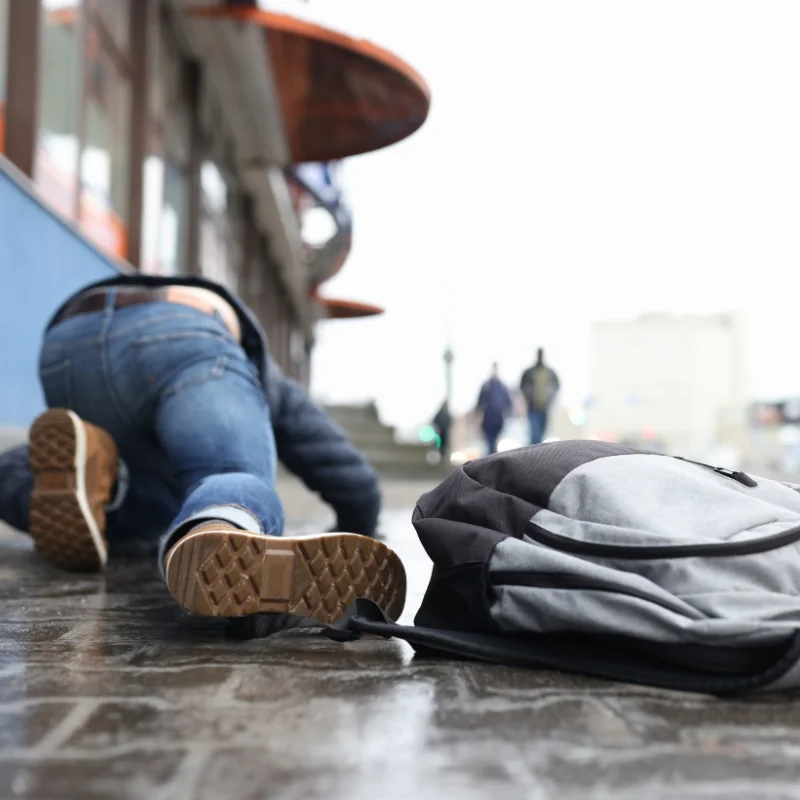
Ice and snow can make entrances, sidewalks and parking lots slippery. In winter accident cases, we review weather conditions, maintenance logs and snow removal activities to assess whether reasonable steps were taken to address the hazard.
Uneven Surfaces
Raised paving stones, broken tiles and loose carpeting can cause a trip and fall. Photographs of the surface and the surrounding area can help show what caught your foot.
Wet or Slippery Floors
Spills, leaks and water tracked indoors can create slippery floors. Inspection records and video footage may show how long the floor was wet and whether staff cleaned it, blocked access or put up warning signs.
Improper Lighting
Poor lighting can make a step, curb or change in floor level difficult to see. Photos taken under similar lighting conditions can help document what was visible at the time of the fall.
Poorly Maintained Walkways
Potholes, crumbling pavement and debris can cause falls on walkways and pedestrian routes through parking lots. Repair records and prior complaints may help show when the problem was reported and how it was handled.
Inadequate Handrails
Loose or missing handrails can make it harder to regain your balance on stairs or ramps. We look at the condition of the railings and who was responsible for maintaining them.

Request a Call Back
NO WIN, NO FEE GUARANTEE

"(Required)" indicates required fields
Types of Slip and Fall Injuries We Handle
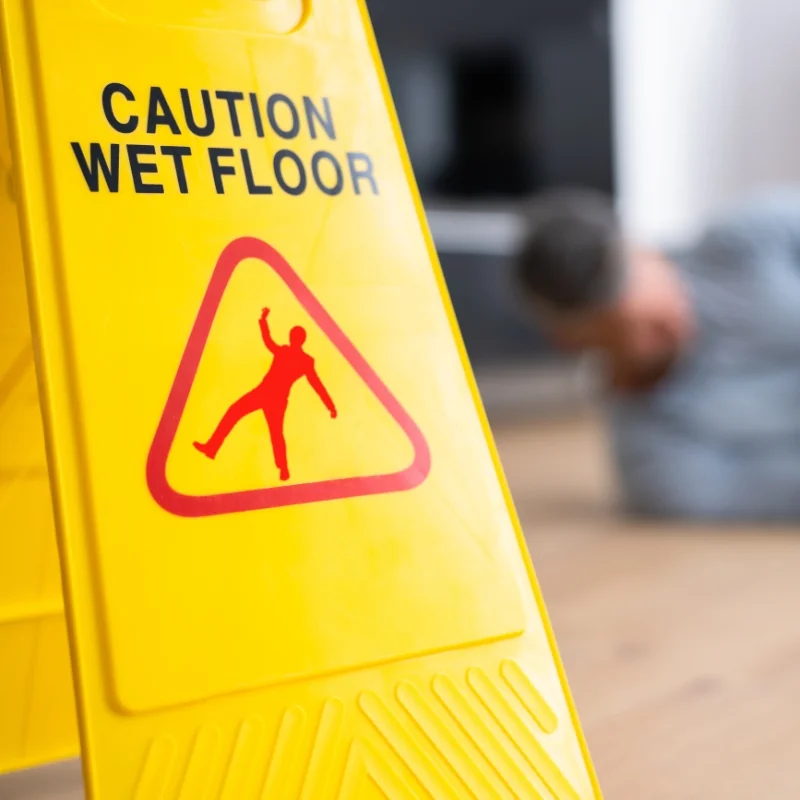
We represent people whose slip and fall injuries affect their ability to work, move around or care for themselves. We review your medical records and how the injury has changed your day-to-day life.
Cuts and Bruises
A fall onto a hard surface or a sharp edge can cause cuts, bruises or a wound that leaves a scar. Photos and treatment records can document how the injury heals.
Soft Tissue Damage
Sprains, strains and tendon injuries can cause pain, swelling and reduced movement. Treatment records can help show how long the symptoms lasted and what activities they limited.
Fractures
Falls can break a wrist, ankle, hip or other bone. We document the effects of the fracture, including any need for surgery, mobility aids or help at home during recovery.
Head and Brain Injuries
A fall can cause a concussion or a more serious traumatic brain injury. Symptoms such as headaches, dizziness and difficulty concentrating can appear hours or days later. Seek medical care promptly if you suspect a concussion.
Spinal and Back Injuries
A fall can injure the muscles, discs or vertebrae in your back. Serious spinal cord injuries can affect movement and sensation. When an injury involves the spinal cord, we document both current care needs and the cost of future support.
Proving Liability in Slip and Fall Cases

Ontario’s Occupiers’ Liability Act generally requires people or businesses in control of premises to take reasonable care to keep visitors reasonably safe. In a premises liability claim, we examine who owed you a duty of care, whether their conduct fell below that standard and whether the failure caused your injuries and losses.
Under Ontario’s Occupiers’ Liability Act, a private property owner, commercial tenant or property manager may qualify as an occupier, depending on who controlled the area. A maintenance contractor may also bear responsibility if its negligence contributed to the fall. Separate rules apply to municipalities. For example, a claim against a municipality for an injury caused by snow or ice on a sidewalk generally requires proof of gross negligence.
We build occupiers’ liability and related negligence claims using evidence about the property and your injuries. That can include inspection logs, maintenance contracts, photographs, video footage, witness statements and police reports where available. Witness testimony may explain how the fall happened or how long the hazard was present. Medical records, employment records and receipts help show your resulting losses.