





A Waterloo slip and fall lawyer helps injured people pursue compensation after unsafe property conditions cause serious harm. Slip and fall accidents can happen on private property, commercial property, apartment buildings, sidewalks, parking lots, and municipal property. If you were injured because of a hazard, our Waterloo personal injury lawyers can help you understand your legal options.

Slip and fall claims often involve personal injury law, premises liability, occupiers’ liability, insurance disputes, and medical evidence. Our legal team helps injured clients deal with the insurance company, collect evidence, and pursue fair compensation for their injuries.
Common Causes of Slip and Fall Accidents in Waterloo
Slip and fall accidents in Waterloo can happen when property owners fail to keep their premises reasonably safe. These injury-causing accidents often involve hazards that should have been removed, repaired, or clearly marked with warning signs.
Under Ontario occupier’s liability laws, property owners, tenants, businesses, municipalities, and maintenance contractors may have a duty of care to people who enter the property. When negligence causes a slip and fall accident, the injured person may have a personal injury claim.
Icy and Snowy Conditions
Ice and snow are common causes of slip and fall accidents in Waterloo. Parking lots, sidewalks, stairs, entrances, and walkways can become dangerous when snow and ice are not cleared properly.
A private property owner may be responsible if unsafe winter conditions are not addressed within a reasonable time. These cases often require evidence about snow removal activities, weather conditions, maintenance logs, and the condition of the property at the time of the fall.
Uneven Surfaces
Uneven surfaces can cause people to trip and fall without warning. These hazards may include broken pavement, cracked sidewalks, raised flooring, loose tiles, torn carpeting, potholes, or uneven steps.
A property owner may be liable if the hazard existed long enough that it should have been fixed. Photos, witness statements, video recordings, and maintenance records can help show how the accident happened.
Wet or Slippery Floors
Wet or slippery floors are common in grocery stores, restaurants, office buildings, malls, medical clinics, and apartment lobbies. Spills, recently mopped floors, tracked-in water, and leaking equipment can create a serious hazard.
Businesses should use reasonable inspection systems, prompt cleanup procedures, and warning signs when floors are unsafe. If these steps are not taken, a slip & fall injury lawyer can investigate whether negligence contributed to the accident.
Improper Lighting
Poor lighting can make it difficult to see steps, curbs, uneven walkways, debris, wet surfaces, or changes in floor level. This can increase the risk of a fall in parking lots, stairwells, hallways, entrances, and outdoor paths.
Lighting issues may be relevant in premises liability claims. Evidence may include photos, video recordings, maintenance reports, and witness testimony about visibility at the time of the accident.
Poorly Maintained Walkways
Walkways must be reasonably maintained for people who use them. Hazards can include cracked concrete, loose mats, debris, water buildup, snow and ice, broken steps, and uneven transitions between surfaces.
Slip and fall accident cases often focus on whether the occupier had a reasonable inspection and maintenance system. The Occupiers’ Liability Act may apply when a property condition creates an unreasonable risk of harm.
Inadequate Handrails
Stairs, ramps, and elevated walkways may require proper railings to reduce the risk of falling. Missing, loose, damaged, or poorly placed handrails can make a fall more serious.
These cases may involve building standards, maintenance records, photographs, and expert evidence. A personal injury lawyer can help determine whether unsafe railings contributed to the fall and the resulting injuries.

Request a Call Back
NO WIN, NO FEE GUARANTEE

"(Required)" indicates required fields
Types of Slip and Fall Injuries We Handle
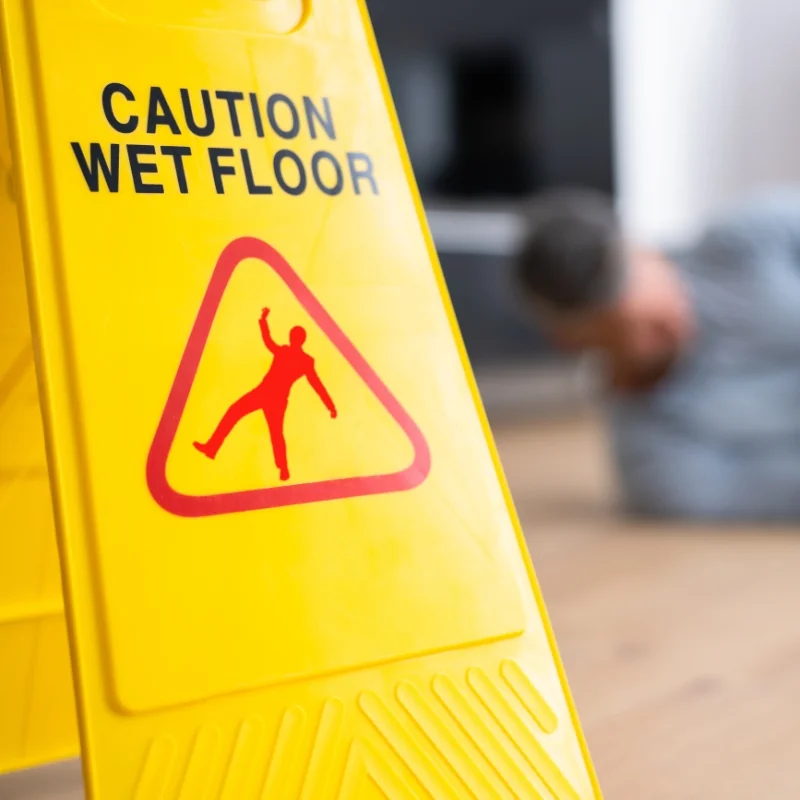
Slip and fall injuries can range from mild to life changing. Even a fall from standing height can cause serious injuries, especially when the person lands on a hard surface or strikes their head, back, hip, shoulder, or wrist.
Our firm helps clients with slip and fall injuries that affect mobility, work, independence, and daily life. We also help collect medical records, document medical treatment, and assess future care needs.
Cuts and Bruises
Cuts and bruises may appear minor at first. They can still be painful and may indicate a more serious impact.
Some falls cause deep cuts, facial injuries, scarring, or soft tissue trauma. Medical documentation is important, especially if symptoms worsen after the accident.
Soft Tissue Damage
Soft tissue injuries can affect muscles, ligaments, tendons, and joints. These injuries often involve the neck, back, shoulders, knees, ankles, hips, or wrists.
Soft tissue damage can cause long-term pain, stiffness, weakness, and limited range of motion. Medical treatment, rehabilitation, physiotherapy, and assistive medical equipment may be needed.
Fractures
Fractures are common after a serious slip and fall accident. Many people suffer broken wrists, ankles, hips, arms, ribs, or shoulders when trying to break the fall.
A fracture can require surgery, casting, mobility aids, rehabilitation, and time away from work. Compensation may include medical expenses, medical bills, lost income, and future care costs.
Head and Brain Injuries
A fall can cause a concussion, skull injury, or traumatic brain injury. These injuries may occur when the head strikes the ground, a step, a wall, or another hard surface.
Symptoms can include headaches, dizziness, memory problems, nausea, vision issues, fatigue, and changes in mood. Head and brain injuries require careful medical assessment and detailed evidence.
Spinal and Back Injuries
Slip and fall accidents can cause back injuries, herniated discs, nerve damage, spinal cord injuries, and chronic pain. A spinal cord injury may affect strength, sensation, mobility, and independence.
Spinal cord injury claims often require strong medical evidence. These cases may involve long-term rehabilitation, medical equipment, attendant care needs, and compensation for pain and suffering.
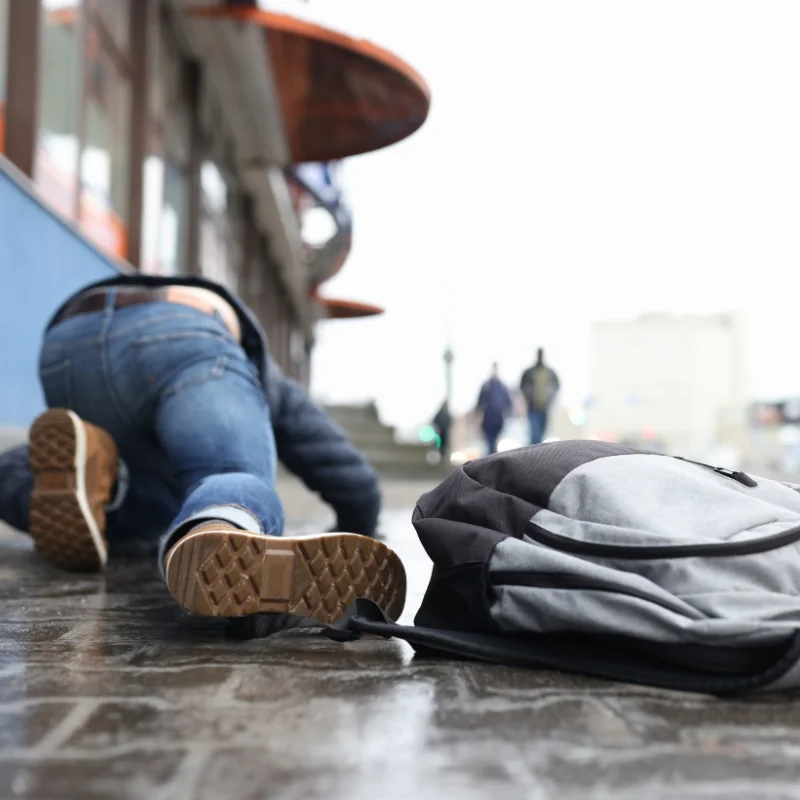
Proving Liability in Slip and Fall Cases
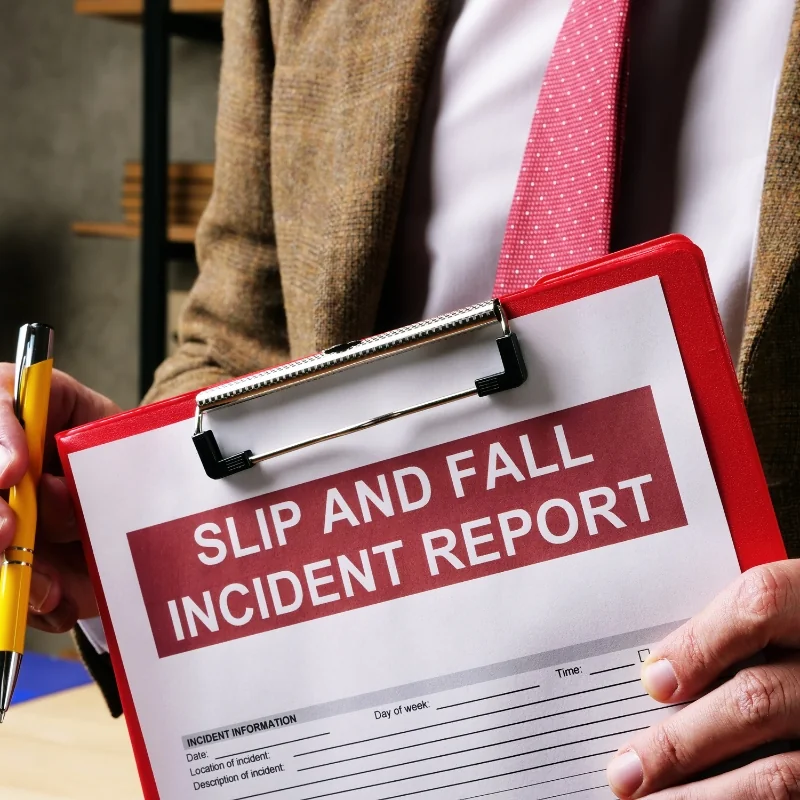
Proving liability in a slip and fall case means showing that an unsafe property condition caused the fall and that the responsible party failed to take reasonable care. In Ontario, these claims often involve occupiers’ liability, premises liability, negligence, and the Occupiers’ Liability Act.
An occupier may include a property owner, tenant, landlord, business operator, maintenance contractor, snow removal company, or municipality. More than one party may share responsibility.
A slip and fall claim usually require evidence showing:
- A dangerous condition existed on the property.
- The hazard caused the fall.
- The occupier knew or should have known about the hazard.
- Reasonable steps were not taken to fix it or warn visitors.
- The fall caused injuries and financial losses.
Useful evidence may include photos, video recordings, witness statements, inspection records, cleaning schedules, maintenance logs, weather reports, police reports, and medical records. The hazard may involve slippery floors, ice and snow, uneven pavement, damaged stairs, loose mats, poor lighting, missing warning signs, or unsafe railings.
Medical evidence is also important. It helps show the extent of the injuries, the treatment required, and the impact on work, mobility, and daily life.
Insurance companies may dispute liability or argue that the injured person should have avoided the hazard. A personal injury lawyer can respond to these arguments, preserve evidence, and build the claim based on the facts and Ontario law.