




A Sudbury slip and fall lawyer helps injured people pursue compensation after falls caused by unsafe property conditions. Our Sudbury personal injury lawyers investigate the accident, identify responsible parties, and explain your legal options. For compassionate support with your personal injury claim, contact Auger Hollingsworth Accident & Injury Lawyers.

Common Causes of Slip and Fall Accidents in Sudbury
A slip and fall accident can happen in a store, apartment building, parking lot, or on an outdoor walkway. We investigate the hazard and whether reasonable inspections, repairs, or maintenance could have prevented your fall.
Icy and Snowy Conditions
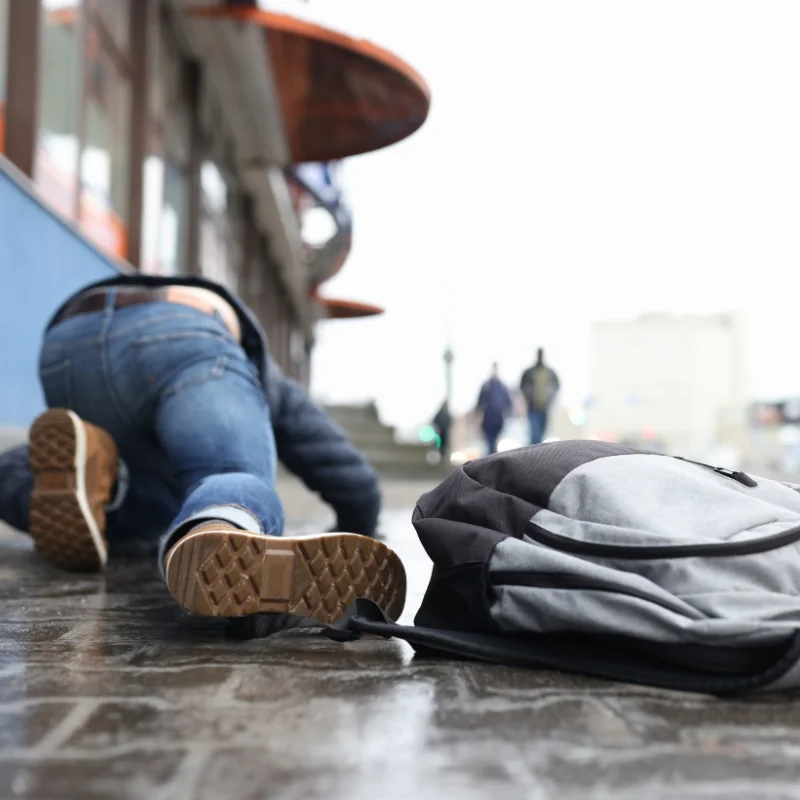
Ice and snow can create dangerous conditions on entrances, steps, and parking lots. We examine weather conditions, inspection records, and snow removal activities. These records help establish whether those responsible took reasonable steps to address snow and ice.
Uneven Surfaces
Cracked pavement, raised concrete, and uneven steps can cause trips. Loose carpeting and curled entrance mats can also catch a person’s foot. We document the defect and investigate whether anyone reported it before your accident.
Wet or Slippery Floors
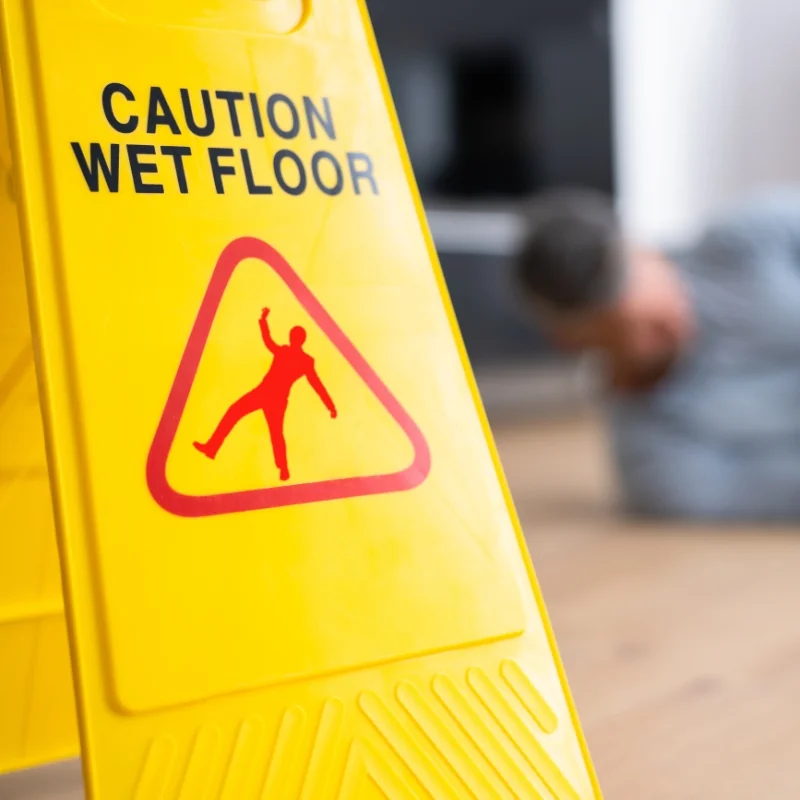
Spills, tracked-in water, and cleaning products can create slippery floors. We review cleaning schedules, inspection logs, and available surveillance footage. We also examine whether staff used warning signs or restricted access while addressing the hazard.
Improper Lighting
Poor lighting can make stairs, obstacles, and changes in floor height difficult to see. We investigate broken fixtures, lighting conditions, and maintenance complaints. Photographs and witness accounts can help show visibility at the time of the fall.
Poorly Maintained Walkways
Damaged paving, debris, and drainage problems can make walkways unsafe. We determine who controlled the area and who was responsible for maintenance. Different rules may apply to municipal property and privately controlled premises.
Inadequate Handrails
Missing or loose handrails can contribute to falls on stairs. Damaged railings may also fail when someone uses them for support. We examine their condition and assess whether applicable building requirements are relevant to the claim.

Request a Call Back
NO WIN, NO FEE GUARANTEE

"(Required)" indicates required fields
Types of Slip and Fall Injuries We Handle
Slip and fall injuries can affect your mobility, ability to work, and daily activities. We review medical records and evidence of your recovery to understand the physical and financial consequences.
Cuts and Bruises
Falls can cause cuts, bruising, and wounds that require medical treatment. Some injuries leave scars or develop complications. We assess their documented effects and whether pursuing a claim is practical.
Soft Tissue Damage
Sprains, strains, and torn ligaments can cause persistent pain and restricted movement. These injuries may require physiotherapy or other rehabilitation. We document symptoms, treatment needs, and limitations at home and work.
Fractures
Falls can fracture wrists, ankles, hips, and other bones. Some fractures require surgery, immobilisation, or extended rehabilitation. We assess recovery needs and any lasting loss of function.
Head and Brain Injuries
A fall can cause a concussion or a more serious traumatic brain injury. Symptoms may affect memory, concentration, balance, and sleep. We use medical evidence to assess how these changes affect your life and employment.
Spinal and Back Injuries
Back injuries may involve vertebral fractures, disc damage, or chronic pain. Spinal cord injuries can cause significant loss of movement or sensation. We assess the long-term care, accessibility, and medical equipment needs associated with damage to the spinal cord.
Proving Liability in Slip and Fall Cases
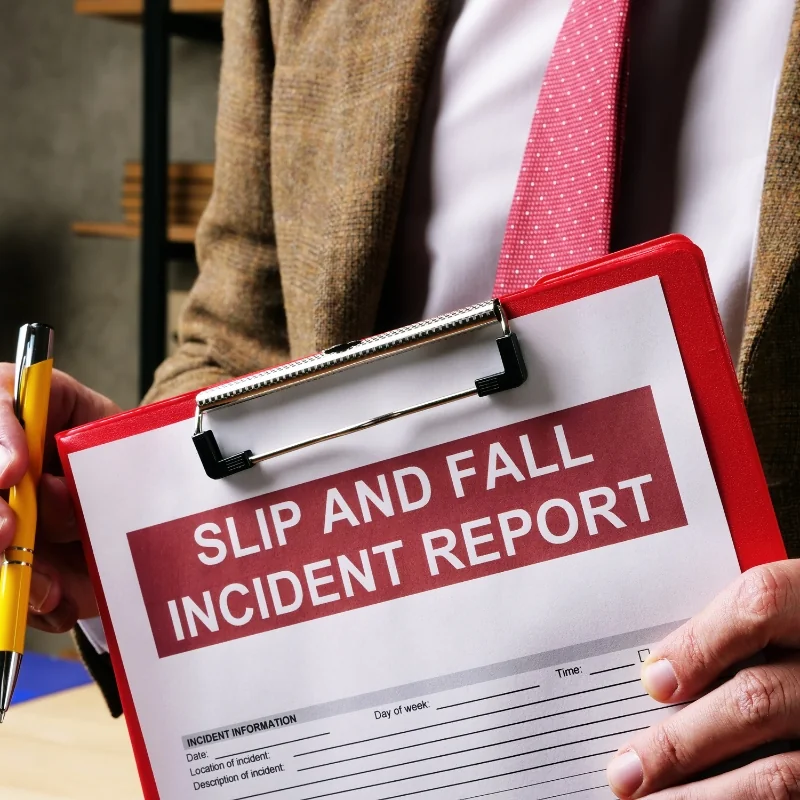
A fall alone does not establish negligence. We investigate who owed you a duty of care, whether they failed to meet it, and whether that failure caused your injuries.
Ontario’s Occupiers’ Liability Act generally requires an occupier to take such care as is reasonable in the circumstances to see that people entering their premises are reasonably safe. An occupier may include a private property owner, tenant, or another party controlling the property. More than one occupier may share responsibility.
We apply Ontario’s liability laws to the property, hazard, and circumstances of your fall.
Evidence in slip and fall accident cases may include:
- Photographs and video recordings showing the hazard.
- Witness statements and, where needed, witness testimony.
- Inspection logs, cleaning records, and maintenance complaints.
- Winter maintenance contracts and service records.
- Medical records documenting injuries and treatment.
- Incident reports and police reports, if police attended.
- Employment records and receipts showing financial losses.
We also consider whether your own actions contributed to the accident. Shared fault can reduce compensation.
Claims against municipalities require separate analysis. For example, municipal liability for personal injury caused by snow or ice on a sidewalk generally requires proof of gross negligence. We assess the applicable rules before advising you on a claim.