



A St. Catharines car accident lawyer from Auger Hollingsworth can help injured people pursue benefits and compensation after a motor vehicle accident. We handle insurance claims, serious injury cases, liability disputes, and personal injury lawsuits arising from collisions in St. Catharines and across the Niagara Region. Contact our St. Catharines personal injury lawyers for a free, no-obligation consultation with our legal team.
Our car accident lawyers assist drivers, passengers, pedestrians, cyclists, and families affected by fatal collisions. We investigate the accident, gather evidence, communicate with the insurance company, and determine which claims may be available.
Types of Car Accidents We Handle in St. Catharines
Car accidents can occur on a residential road, at a busy intersection, or on a major highway. Our motor vehicle accident lawyers handle claims involving careless driving, dangerous road conditions, and violations of Ontario traffic laws.
Hit-and-Run Accidents
A hit-and-run occurs when a driver leaves the scene without providing information or helping an injured person. Accident victims may still have access to Statutory Accident Benefits, uninsured automobile coverage, or the Motor Vehicle Accident Claims Fund when no other insurance is available.
Our legal team can review police reports, witness statements, surveillance footage, and vehicle damage. We can also help determine which insurance policy should respond to the accident claim.
Highway Collisions
Highway collisions may occur on the Queen Elizabeth Way, Highway 406, or roads connecting St. Catharines with nearby Niagara communities. These accidents often involve high speeds, commercial vehicles, sudden lane changes, and multiple vehicles.
Highway crashes can result in severe injuries and complex motor vehicle accident claims. Our experienced team can preserve evidence, review the police accident report, consult appropriate experts, and identify every potentially responsible party.
T-Bone Accidents
A T-bone accident occurs when the front of one vehicle strikes the side of another. These collisions commonly happen when a negligent driver enters an intersection without the right of way.
Vehicle occupants may suffer head, chest, pelvic, or spinal injuries because the side of a vehicle offers less protection. Evidence may include traffic signal records, witness accounts, vehicle damage, and nearby camera footage.
Rear- End Collisions
A rear-end collision occurs when one vehicle strikes the vehicle ahead. Common causes include following too closely, speeding, sudden braking, poor visibility, and driver inattention.
A rear-end collision may cause whiplash, concussion symptoms, back injuries, and chronic pain. The full effect of these physical injuries may not be clear immediately after the accident.
Head-on Collisions
Head-on collisions can occur when a vehicle crosses the centre line, enters the wrong lane, or travels in the wrong direction. An impaired driver, fatigued driver, or distracted driver may cause this type of crash.
These accidents can cause catastrophic injuries or death. A detailed investigation may be required to establish fault and calculate compensation for damages.
Roll-over Accidents
A roll-over accident may happen when a vehicle leaves the road, strikes another object, or makes a sudden steering movement. Vehicle design, speed, tire failure, road hazards, and driver conduct may contribute.
Passengers may suffer crushing injuries, traumatic brain injuries, spinal cord damage, or burns. Our personal injury lawyers assess the conduct of all drivers and consider whether a vehicle defect or roadway issue contributed to the collision.
Distracted Driving Accidents
Distracted driving includes texting, handling a phone, using in-vehicle controls, eating, or focusing on something other than the road. A distracted driver may fail to notice stopped traffic, a red light, or a pedestrian crossing.
Phone records, witness statements, dashcam recordings, and collision data may help establish negligence. We gather available evidence before it is lost or destroyed.
Drunk Driving Accidents
Alcohol and drug impairment can reduce judgment, coordination, and reaction time. An impaired driver may be both criminally charged and financially responsible for injuries caused by the collision.
A criminal case does not automatically provide financial compensation to an injured person. A separate insurance claim or personal injury lawsuit may be needed to recover losses.

Request a Call Back
NO WIN, NO FEE GUARANTEE

"(Required)" indicates required fields
Common Car Accident Injuries in St. Catharines
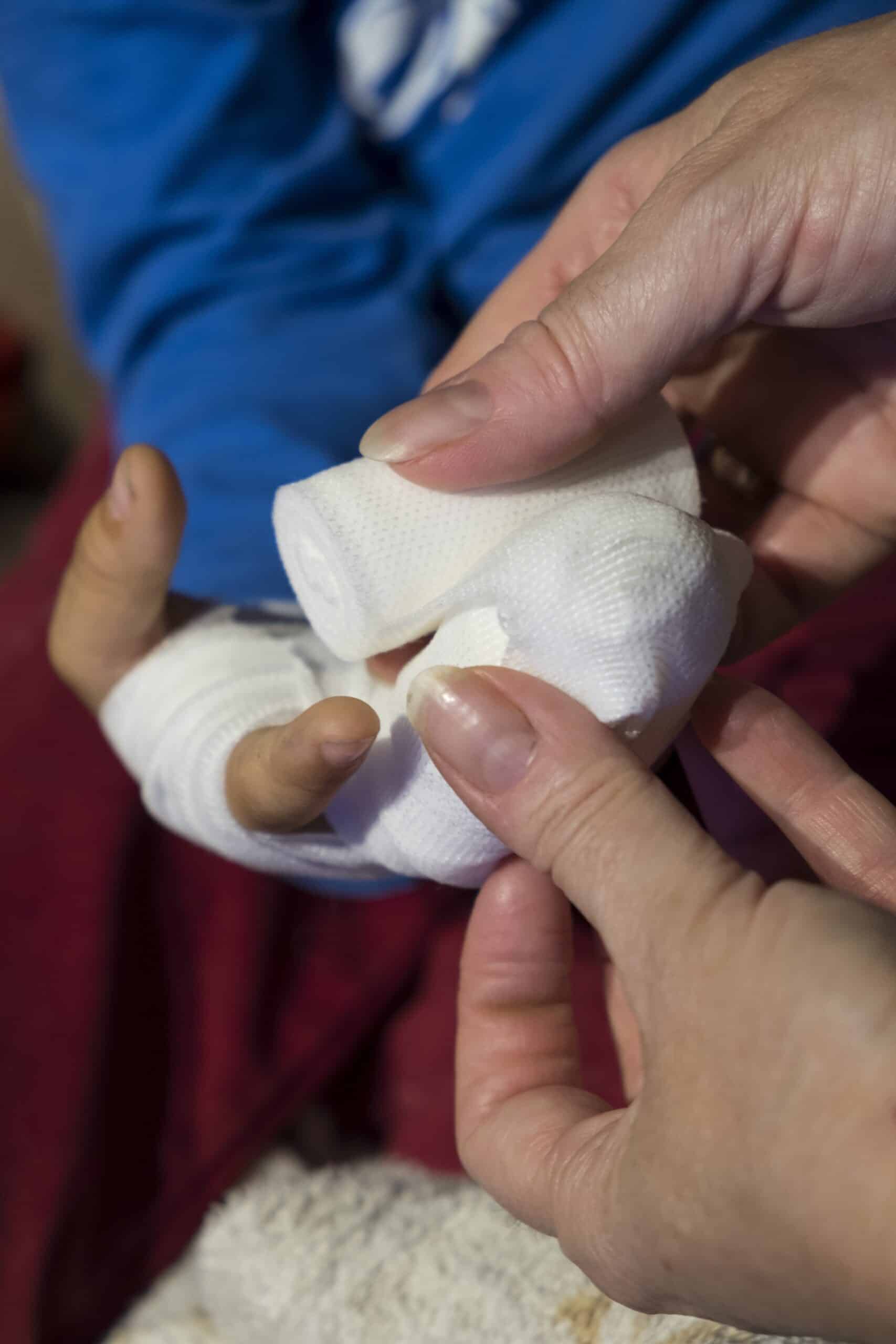
A collision can cause injuries ranging from temporary soft-tissue damage to permanent disability. Prompt medical care creates a treatment record and helps identify injuries that may not be immediately apparent.
Our legal team reviews medical records, specialist reports, diagnostic imaging, rehabilitation plans, and evidence of ongoing limitations. This information helps connect the injuries to the accident and supports the claims process.
Whiplash
Whiplash is a soft-tissue injury caused by rapid movement of the head and neck. Symptoms may include stiffness, headaches, dizziness, reduced mobility, and pain that spreads into the shoulders or arms.
Some people recover within a limited period. Others experience persistent symptoms that interfere with work, sleep, driving, and daily activities.
Fractures & Broken Bones
Car accidents can cause fractures to the arms, legs, ribs, pelvis, hands, feet, or face. Treatment may involve surgery, casting, physiotherapy, medication, and time away from work.
A fracture claim should account for medical expenses, lost income, pain, reduced mobility, and possible future treatment. Permanent weakness or restricted movement may support a claim for additional compensation.
Internal Bleeding
Internal bleeding can be life-threatening and may not be visible at the accident scene. Warning signs may include abdominal pain, weakness, dizziness, confusion, swelling, or loss of consciousness.
Anyone experiencing serious symptoms should seek emergency medical care. Hospital records and diagnostic testing can become important evidence in an injury claim.
Back and Neck Injury
A motor vehicle accident may injure muscles, ligaments, discs, vertebrae, or nerves in the back and neck. Symptoms can include pain, numbness, weakness, headaches, and reduced range of motion.
These injuries may affect sitting, standing, lifting, driving, and sleeping. Medical evidence should describe both the diagnosis and its effect on daily functioning.
Traumatic Brain Injury (TBI)
A traumatic brain injury can occur when the head strikes part of the vehicle or when sudden movement causes the brain to shift inside the skull. A person does not need to lose consciousness to have a concussion or another brain injury.
Symptoms may include headaches, memory problems, poor concentration, fatigue, mood changes, and sensitivity to light or noise. A claim may require neurological, psychological, occupational therapy, and rehabilitation evidence.
Spinal Cord Injury
A spinal cord injury may cause partial or complete loss of movement, sensation, or bodily function. The injured person may need mobility equipment, home modifications, rehabilitation, and long-term attendant care.
These claims require careful assessment of future medical expenses, Attendant care costs, lost earning capacity, and lifelong support needs. An experienced car accident lawyer may work with medical, financial, and rehabilitation experts to document these losses.
Burns
Burns may result from vehicle fires, explosions, hot fluids, chemicals, or contact with heated surfaces. Treatment may include surgery, skin grafts, wound care, and psychological support.
Compensation may address medical bills, scarring, disfigurement, emotional suffering, and reduced quality of life. Future procedures and care needs should also be considered.
Personal Liability in Car Accidents
Every driver has a duty of care to operate a vehicle with reasonable caution. A driver may be liable when speeding, distraction, impairment, unsafe lane changes, or another negligent act causes a collision.
Fault may be shared between two or more parties. Ontario’s Fault Determination Rules are used by insurers to assign fault for insured vehicle damage, while an injury lawsuit may require a broader analysis of negligence and causation.
Evidence used to assess personal liability may include:
- Police reports and charges.
- Witness statements.
- Dashcam or surveillance footage.
- Photographs of the scene.
- Vehicle damage.
- Electronic vehicle data.
- Phone records.
- Road maintenance records.
- Engineering or accident reconstruction evidence.
The at-fault driver’s liability insurer may be responsible for damages established through a tort claim. However, compensation is not automatic. The injured person must provide evidence of negligence, injury, causation, and loss.
Our accident Lawyers also consider whether another party contributed to the crash. Depending on the facts, this may include a vehicle owner, employer, commercial operator, municipality, maintenance contractor, or vehicle manufacturer.