




A Richmond Hill pedestrian accident lawyer helps individuals injured in pedestrian accidents involving motor vehicles pursue compensation through Ontario’s personal injury law. Pedestrian accidents often result in serious injuries and complex insurance claims that require careful handling. At Auger Hollingsworth Accident & Injury Lawyers, our Richmond Hill personal injury lawyers provide guidance through the legal process and supports clients from the accident scene to resolution.

Common Causes of Pedestrian Accidents in Richmond Hill
Pedestrian accidents in Richmond Hill often occur at busy intersections, crosswalks, and residential areas. Many incidents involve negligent drivers who fail to follow the traffic laws under the Highway Traffic Act.
Distracted Driving
Distracted driving is a leading cause of pedestrian accidents. Drivers using phones or in-vehicle systems may not see pedestrians in crosswalks or at stop signs. This reduces reaction time and increases the risk of a motor vehicle collision.
Speeding
Speeding reduces a driver’s ability to stop in time. Higher speeds increase the severity of injuries in a car accident involving a pedestrian. This is common in both urban roads and residential streets.
Failure to Yield
Failure to yield at intersections and crosswalks is a frequent cause of pedestrian accidents. Drivers may ignore red lights or fail to stop at stop signs, leading to serious auto accidents.
Impaired Driving
Impaired driving affects judgment and reaction time. Drivers under the influence may not recognize pedestrians or traffic signals, increasing the likelihood of a motor vehicle accident.
Poor Weather Conditions
Snow, ice, and poor visibility create hazardous conditions. These factors affect both drivers and pedestrians and can contribute to fault determination under Ontario’s rules.
Common Injuries in Pedestrian Accidents
Pedestrian accidents often lead to serious physical and psychological harm due to direct impact with motor vehicles. Injuries can require immediate treatment and long-term rehabilitation, especially in high-impact motor vehicle collisions.
Common injuries include:
- Traumatic brain injury, concussions, and cognitive impairment
- Fractures and broken bones affecting arms, legs, ribs, and hips
- Spinal cord injuries leading to reduced mobility or paralysis
- Internal injuries such as organ damage and internal bleeding
- Soft tissue injuries, including orthopedic injuries to muscles and ligaments
These injuries often result in ongoing medical expenses, and extended time away from work. Early diagnosis and proper documentation are critical for both recovery and personal injury claims.

Request a Call Back
NO WIN, NO FEE GUARANTEE

"(Required)" indicates required fields
Understanding Liability in Pedestrian Accidents
 Liability in pedestrian accidents is determined through negligence and Ontario’s fault determination rules. Drivers must follow the Highway Traffic Act and exercise care around pedestrians, especially at intersections, crosswalks, and areas with poor visibility.
Key factors considered in liability include:
- Whether the driver failed to obey red lights, stop signs, or yield at a crosswalk
- Evidence of distracted, impaired, or speeding behaviour by negligent drivers
- Road and environmental conditions, such as hazards or poor visibility
- Actions of the pedestrian, including compliance with traffic signals
Liability is not always assigned to one party. In some cases, multiple parties may share responsibility, including municipalities or contractors responsible for road maintenance. Regardless of fault, injured individuals can access Statutory Accident Benefits under the Insurance Act and Statutory Accident Benefits Schedule. These benefits provide medical, rehabilitative, and attendant care support while the legal process moves forward.
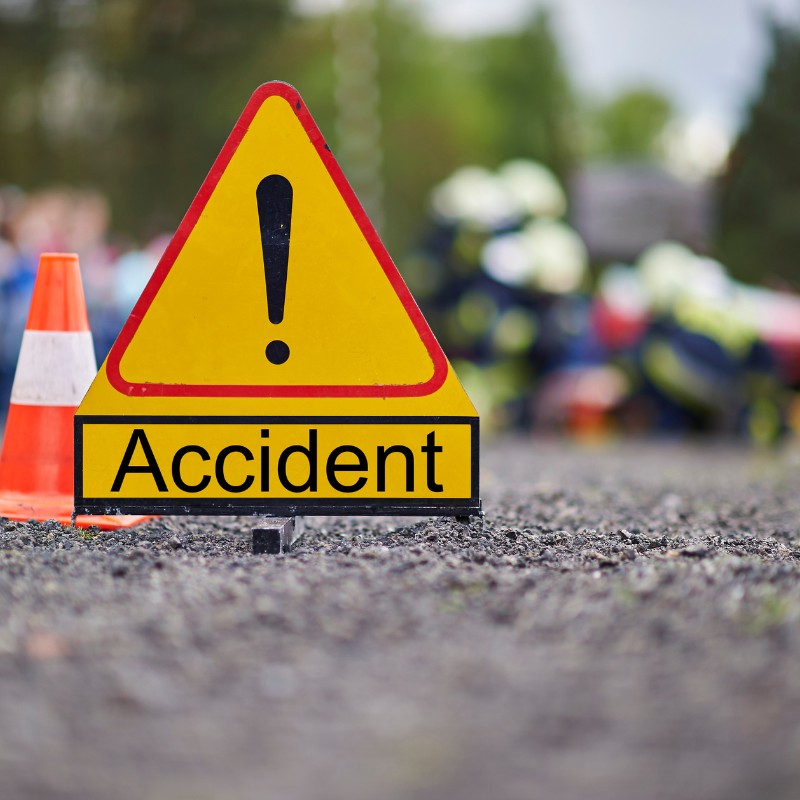 A pedestrian accident lawyer assists with both insurance claims and legal action after a motor vehicle accident. Legal representation ensures that the injured person’s rights are protected and that all steps in the legal process are handled properly.
Compensation for Pedestrian Accident Victims
 Compensation for pedestrian accidents is based on the extent of injuries and their impact on daily life, employment, and long-term health. Claims may involve both accident benefits and a tort claim against at-fault parties.
Compensation may include:
- Medical expenses such as hospital care, rehabilitation, therapies, and assistive devices
- Lost wages and loss of future earning capacity
- Pain and suffering damages for the impact on quality of life
- Costs of attendant care benefits and long-term care needs
Insurance providers often assess claims based on documentation and medical evidence. Properly prepared personal injury claims help ensure that all damages are accounted for and supported.