




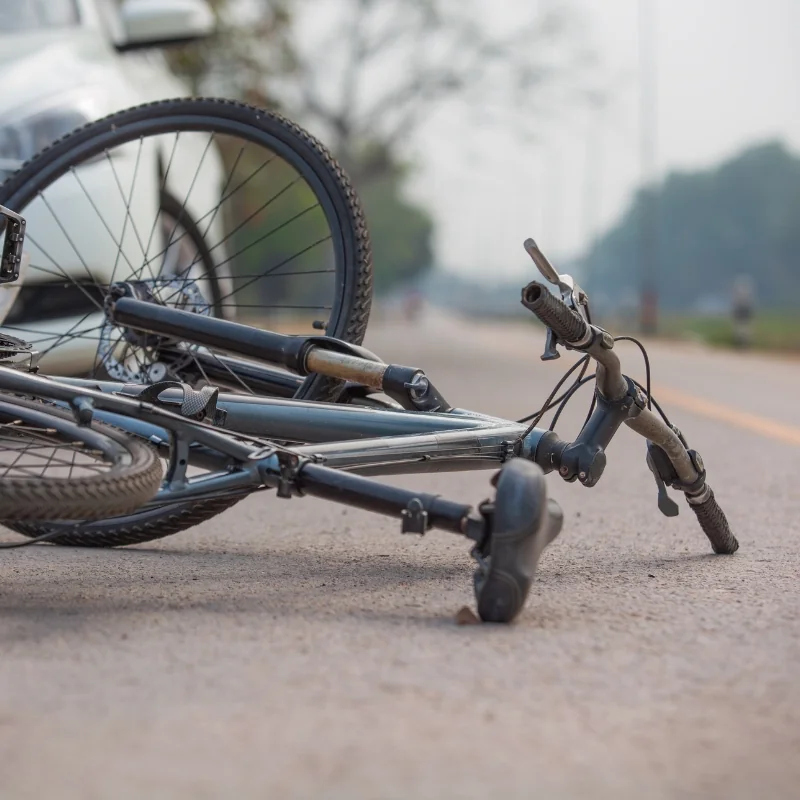
A bicycle accident lawyer can help cyclists recover compensation after being injured in collisions with motor vehicles or due to unsafe road conditions in Pickering. Bicycle accidents can result in serious injuries that require ongoing medical care and may impact your ability to work. At Auger Hollingsworth Accident & Injury Lawyers, our personal injury lawyers in Pickering provide skilled advocacy to protect your rights and help you obtain fair compensation under Ontario’s cycling injury law.

Types of Bicycle-Motor Vehicle Collisions
Bicycle-motor vehicle collisions can occur in many ways on Pickering’s busy city streets, intersections, and residential areas. Each type of crash presents different safety issues and legal considerations that affect how liability is proven and how compensation is pursued. Understanding these common collision types helps cyclists and drivers alike recognize the risks of unsafe interactions on Ontario’s roads.
The Right Hook
This occurs when a driver turns right across a cyclist’s path, cutting them off in a bike lane or shared roadway. These crashes are common at intersections and often caused by distracted driving or failing to check blind spots.
The Left Cross
A left-cross collision happens when a motor vehicle makes a left turn in front of an oncoming cyclist. These incidents are particularly dangerous because cyclists have little time to react.
Dooring
Dooring happens when a driver or passenger opens a car door into the path of a cyclist. On city streets with parked vehicles, this is a frequent hazard that causes cyclists to fall or veer into traffic.
Unsafe Passing
Motorists who fail to leave enough room while overtaking a cyclist can cause side-swipe collisions or force riders off the road. Ontario’s cycling law requires drivers to give at least one metre of space when passing bicycles.
Pulling Out from Driveways or Parking Lots
Drivers emerging from driveways or parking lots sometimes overlook cyclists using bike paths or bicycle-designed lanes. These interactions are common in residential areas and parking zones.
Rear-End Collisions
Rear-end collisions occur when a driver fails to notice a cyclist stopped at a light or riding at night without proper visibility. They often result in severe trauma, especially at higher speeds.

Request a Call Back
NO WIN, NO FEE GUARANTEE

"(Required)" indicates required fields
Common Injuries in Pickering Cycling Accidents

Cyclists face greater risks of injury in any motor vehicle accident because bicycles and e-scooters provide minimal protection compared to cars or trucks. Even low-speed crashes can cause life-altering harm that requires ongoing medical care and rehabilitation. Each injury type may have unique legal and medical implications when calculating compensation.
Traumatic Brain Injuries (TBI) and Concussions
Head injuries remain among the most serious outcomes of cycling accidents. Even with proper bike helmet safety, a severe impact can lead to long-term cognitive or physical impairment.
Spinal Cord Injuries
A strong collision can cause damage to the spinal cord, resulting in partial or full paralysis. Rehabilitation and home modifications may be required for recovery.
Fractures and Broken Bones
Broken arms, legs, ribs, and collarbones are common in bicycle crashes caused by road rage incidents or aggressive drivers.
Soft Tissue Injuries
Whiplash, muscle tears, and ligament damage can develop from sudden impact or falls on hard surfaces such as asphalt or streetcar tracks.
Psychological Trauma
Cyclist accidents often leave emotional effects, including anxiety, depression, or fear of returning to cycling.

What Compensation Can You Claim After a Bicycle Accident?
Cyclists injured in motor vehicle or road-related accidents in Pickering may be entitled to several forms of financial compensation. The goal of these benefits is to help you recover physically, emotionally, and financially after suffering injuries caused by negligence. Compensation may come from your own insurance policy, the at-fault driver’s insurer, or through a civil claim against those responsible.
Compensation typically includes:
- Medical and Rehabilitation Expenses: Covers the cost of hospital care, physiotherapy, medication, assistive devices, and ongoing treatments such as chiropractic or psychological therapy. These are crucial for long-term recovery, especially for severe injuries like traumatic brain or spinal cord damage.
- Income Replacement Benefits: If you cannot work due to your injuries, you may qualify for weekly income replacement payments under Ontario’s Statutory Accident Benefits Schedule (SABS). These benefits help replace a portion of your lost earnings while you recover.
- Attendant Care and Housekeeping Expenses: Some injuries require help with daily living tasks or personal care. Compensation can include payments for in-home support or professional assistance during recovery.
- Pain and Suffering: Also known as non-pecuniary damages, this compensates for the physical and emotional impact of your injuries. The severity and permanence of your injuries determine the amount you may receive.
- Out-of-Pocket and Travel Costs: Expenses for medical appointments, home adaptations, or transportation to rehabilitation sessions can be included in your claim.
- Loss of Future Earning Capacity: If your injuries affect your ability to continue in your chosen profession or reduce your earning potential, you may seek compensation for future losses.
- Wrongful Death and Dependency Claims: In fatal cycling accidents, surviving family members may claim funeral costs, loss of companionship, and dependency benefits under Ontario’s Family Law Act.
A qualified bicycle accident lawyer evaluates the full extent of your damages and ensures no eligible benefit is overlooked. Their role is to negotiate effectively with insurers and pursue fair compensation through settlement or court proceedings when necessary.