




An Oakville pedestrian accident lawyer helps injured pedestrians pursue compensation after being hit by motor vehicles in Oakville. These cases often involve serious injuries, complex insurance claims, and strict timelines under Ontario law. Our personal injury lawyers in Oakville provide guidance through the legal process and works to secure fair compensation for injured clients.
Common Causes of Pedestrian Accidents in Oakville
Pedestrian accidents often occur in busy intersections, crosswalks, and urban roads where traffic and foot activity meet. Many incidents involve negligent drivers and unsafe road conditions.
Distracted Driving
Drivers using phones or in-vehicle systems may miss pedestrians at crosswalks or intersections. This increases the risk of a motor vehicle collision, especially in areas with heavy foot traffic.
Speeding
Excess speed reduces reaction time and increases impact force. Speeding vehicles are a leading cause of serious pedestrian accidents and severe injuries.
Failure to Yield
Drivers must yield to pedestrians at crosswalks under the Highway Traffic Act. Failure to yield often leads to car accident claims involving pedestrians.
Impaired Driving
Alcohol or drug impairment affects judgment and reaction time. Impaired drivers are more likely to ignore stop signs, red lights, and pedestrian right-of-way rules.
Poor Weather Conditions
Snow, ice, and rain create hazardous conditions and poor visibility. Drivers who fail to adjust to the weather may be found negligent in a pedestrian accident.

Request a Call Back
NO WIN, NO FEE GUARANTEE

"(Required)" indicates required fields
Understanding Liability in Pedestrian Accidents in Oakville
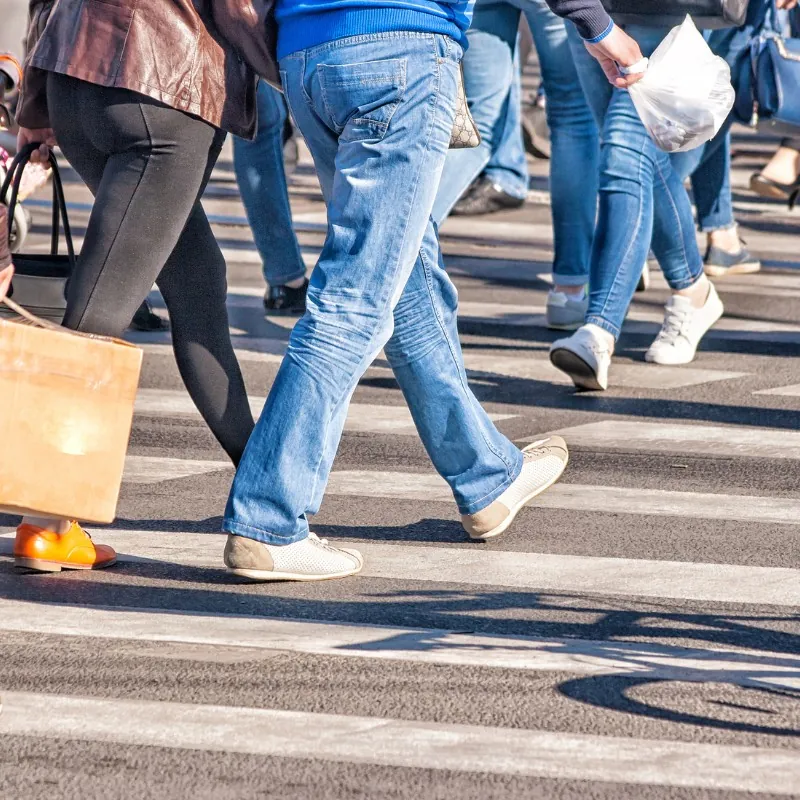
Liability in pedestrian accidents is based on negligence and how fault is shared under Ontario’s fault determination rules. These cases often involve drivers, pedestrians, and sometimes third parties such as municipalities responsible for road maintenance. Evidence is critical to determine how the motor vehicle accident occurred and who is legally responsible.
- Drivers must follow the Highway Traffic Act, including yielding at crosswalks, obeying red lights, and stopping at stop signs
- Pedestrians are expected to use crosswalks, obey signals, and avoid unsafe crossings at intersections
- Fault determination rules may assign partial responsibility to both parties, depending on conduct
- Evidence may include police reports, witness statements, dashcam footage, and accident reconstruction
- Road design, poor visibility, and hazardous conditions may involve additional liability from property owners or municipalities
Claims are also governed by the Insurance Act, which sets out how insurance claims and Accident Benefits are handled after a motor vehicle collision.
 A pedestrian accident lawyer helps manage the legal process and reduces the risk of errors that could affect compensation. These claims often involve multiple insurers, medical evidence, and strict timelines under personal injury law.
Compensation for Pedestrian Accident Victims
 Compensation is based on the impact of injuries and losses resulting from pedestrian accidents. Injured individuals may access benefits through the Statutory Accident Benefits Schedule and may also pursue damages through legal action against negligent drivers.
- Statutory Accident Benefits provide no-fault coverage after a motor vehicle accident
- Medical/rehabilitative benefits cover treatment such as physiotherapy, medication, and assistive devices
- Attendant care benefits support individuals who need help with daily living tasks
- Income replacement benefits address lost wages where eligibility is met
- Damages in a lawsuit may include pain and suffering, future care costs, and loss of income
Insurance companies assess claims based on documentation and medical evidence. Properly prepared insurance claims can help ensure that medical bills and ongoing care needs are addressed.