





A Kitchener bicycle accident lawyer helps injured cyclists recover fair compensation after being struck by a motor vehicle, e-bike, or e-scooter. Bicycle accidents often happen because of distracted driving, unsafe passing, or poorly maintained road conditions such as potholes or construction zones. At Auger Hollingsworth Accident & Injury Lawyers, our experienced Kitchener personal injury lawyers provide dedicated representation to protect cyclists’ rights and secure the justice they deserve under Ontario’s cycling injury law.

Types of Bicycle-Motor Vehicle Collisions
Bicycle-motor vehicle collisions occur in various ways across Kitchener’s intersections, bike lanes, and shared city streets. Understanding these scenarios is crucial for identifying the cause of the crash and determining legal responsibility. Each type of collision highlights the need for careful interaction between drivers and cyclists on Ontario’s roads.
The Right Hook
A right-hook collision happens when a driver overtakes a cyclist and turns right immediately afterward, cutting into the cyclist’s lane. These accidents frequently occur at intersections, construction zones, or when drivers underestimate a cyclist’s speed. The impact often forces the cyclist into the curb or vehicle, leading to severe injuries.
The Left Cross
Left-cross collisions occur when a vehicle turning left crosses directly into the path of an oncoming cyclist. These crashes are common where drivers misjudge distance or fail to yield the right of way. Poor visibility and distracted driving are major contributing factors, especially in areas with high traffic congestion.
Dooring
Dooring incidents occur when a parked driver opens a car door into the path of a passing cyclist. Without protected bike lanes or adequate space between parked vehicles and bike paths, these collisions can cause cyclists to be thrown into traffic. Ontario law requires drivers and passengers to check for bicycles before opening doors—known as the “Dutch Reach” technique—to help prevent these crashes.
Unsafe Passing
When a driver overtakes a cyclist without maintaining a safe distance of at least one metre, the result can be a side-swipe or loss of control. These unsafe passing incidents are particularly dangerous on narrow streets or when vehicles veer into bicycle-designed lanes. Aggressive drivers and road rage incidents further increase the risk.
Pulling Out from Driveways or Parking Lots
Motor-vehicle-bicycle accidents often occur when vehicles exit driveways, alleys, or parking lots without yielding. These collisions frequently involve e-bikes and e-scooters, which can accelerate quickly and may be harder for drivers to see. Poor sightlines and failure to check for approaching cyclists are typical causes.
Rear-End Collisions
Rear-end collisions happen when a vehicle strikes a cyclist from behind, often due to speeding, distracted driving, or reduced visibility during winter cycling. Reflective clothing, rear lights, and bike helmet safety can help, but drivers still bear the legal duty to operate safely and avoid striking cyclists.
These accident types demonstrate the importance of bike safety measures, proper cycling infrastructure, and driver awareness to reduce preventable injuries across Kitchener’s roads.

Request a Call Back
NO WIN, NO FEE GUARANTEE

"(Required)" indicates required fields
Common Injuries in Kitchener Cycling Accidents
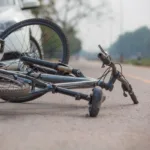
Cyclists have little protection compared to occupants of motor vehicles, so injuries from bike accidents tend to be serious. Medical treatment, rehabilitation, and long-term support are often required. Understanding the nature and impact of these injuries helps determine appropriate compensation under Ontario’s personal injury law.
Traumatic brain injuries (TBI) and concussions
Head injuries are among the most common and severe outcomes of bicycle collisions. Even with a helmet, a direct blow or impact to the head can cause a concussion or TBI. These injuries may result in memory loss, dizziness, or long-term cognitive challenges that affect work and daily life.
Spinal cord injuries
Spinal injuries often result from being thrown from the bicycle during a collision. Damage to the spine can lead to partial or complete paralysis, chronic pain, and reduced mobility. These injuries typically require surgery, rehabilitation, and lifelong care.
Fractures and broken bones
Cyclists frequently suffer broken arms, wrists, legs, or collarbones after being hit or falling onto hard pavement. Fractures can cause extended time off work and may require multiple surgeries, casting, and physiotherapy to regain strength and movement.
Soft tissue injuries
Soft tissue damage—such as torn ligaments, muscle strains, or whiplash—can occur even in lower-speed bike crashes. These injuries often lead to ongoing pain and limited function, affecting daily tasks and recreation.
Psychological trauma
Beyond physical harm, cycling accidents can leave victims with emotional distress. Post-traumatic stress disorder (PTSD), anxiety, and fear of returning to cycling are common after serious crashes. Accessing professional counselling and mental health support is essential for full recovery.
What Compensation Can You Claim After a Bicycle Accident?

After a serious bicycle collision, compensation helps victims recover financially and physically. The type and amount of compensation available depend on the severity of your injuries, your ability to work, and the long-term effects of the accident. Ontario law allows cyclists to pursue both no-fault accident benefits and tort claims against negligent drivers or other responsible parties.
You may be entitled to:
- Medical and rehabilitation expenses — coverage for physiotherapy, chiropractic care, occupational therapy, and other treatments required for recovery.
- Income replacement benefits — compensation for lost wages if your injuries prevent you from working.
- Non-pecuniary damages — financial recovery for pain, suffering, and loss of enjoyment of life.
- Attendant care and home maintenance — assistance for daily living activities, such as personal care or household chores.
- Out-of-pocket expenses — reimbursement for medications, medical devices, and transportation to medical appointments.
- Future care costs — coverage for ongoing or permanent medical needs following a severe injury.
A skilled bike injury lawyer reviews your medical reports, financial losses, and accident evidence to build a strong claim. At Auger Hollingsworth Accident & Injury Lawyers, we ensure that every potential source of compensation is pursued and that insurance companies meet their obligations.