




At Auger Hollingsworth, our Kingston slip and fall lawyers help people recover compensation after a slip and fall accident caused by negligence. Our slip and fall lawyer team represents individuals injured on private property, municipal property, and commercial premises under Ontario occupiers’ liability and premises liability laws. If you need a Kingston Slip and Fall Lawyer, our firm provides direct access to experienced personal injury lawyers.

Common Causes of Slip and Fall Accidents in Kingston
Slip & fall incidents often result from unsafe conditions that create a foreseeable hazard. Property owners and occupiers have a duty of care under the Occupiers’ Liability Act to keep premises reasonably safe. When that duty is breached, injury-causing accidents occur.
Icy and Snowy Conditions
Snow and ice are common causes of slip and fall injuries in Kingston. Ice and snow must be addressed through timely snow removal activities and proper salting. Failure to clear walkways or parking lots may breach occupiers’ liability laws.
Uneven Surfaces
Cracked sidewalks, broken tiles, loose carpeting, and uneven pavement can cause serious injuries. Municipalities and private property owners must maintain safe walking areas.
Wet or Slippery Floors
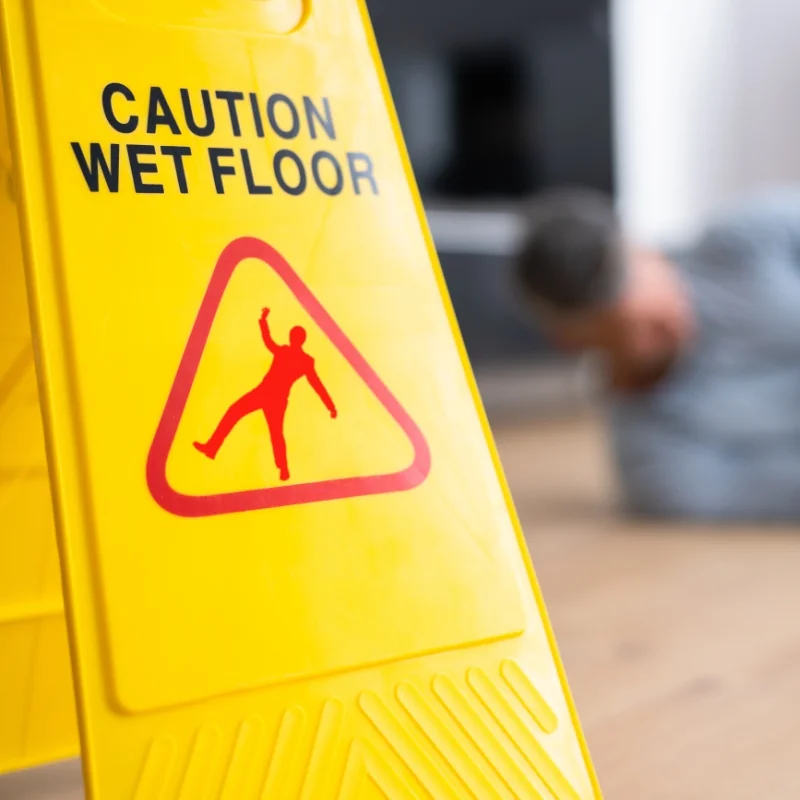
Slippery floors in grocery stores, restaurants, and office buildings often result from spills or cleaning without warning signs. Lack of visible warning signs increases liability exposure.
Improper Lighting
Poor lighting in stairwells, parking garages, and corridors prevent people from seeing hazards. This may support a negligence claim.
Poorly Maintained Walkways
Damaged stairs, loose floorboards, and unsafe entryways create clear safety risks. Regular inspections are required under occupiers’ liability laws.
Inadequate Handrails
Missing or unstable railings on stairs increase the risk of falls. Non-compliance with Building codes may support personal injury claims.

Request a Call Back
NO WIN, NO FEE GUARANTEE

"(Required)" indicates required fields
Types of Slip and Fall Injuries We Handle
Slip and fall injuries can range from short-term discomfort to permanent disability. Our slip and fall lawyer team handles claims involving both visible and non-visible injuries supported by medical evidence and expert assessment.
We frequently represent clients with:
- Fractures and broken bones – Wrist, hip, ankle, and shoulder fractures are common in slip & fall incidents. These often require surgery, immobilization, and physiotherapy.
- Soft tissue injuries – Sprains, strains, ligament tears, and chronic pain conditions may not appear on imaging but can significantly affect mobility and employment capacity.
- Head injuries and concussions – Even a brief loss of consciousness can indicate a traumatic brain injury (TBI). Ongoing symptoms may include headaches, dizziness, and cognitive impairment.
- Spinal and back injuries – Disc herniations, nerve impingement, and spinal cord injuries can cause long-term impairment. Some spinal cord traumas result in permanent functional limitations.
- Shoulder and knee injuries – Torn rotator cuffs and meniscus tears often require surgical repairs and structured rehabilitation.
Each injury must be properly diagnosed and documented through medical records. Clear medical evidence is central to advancing personal injury claims.

Proving Liability in Slip and Fall Cases
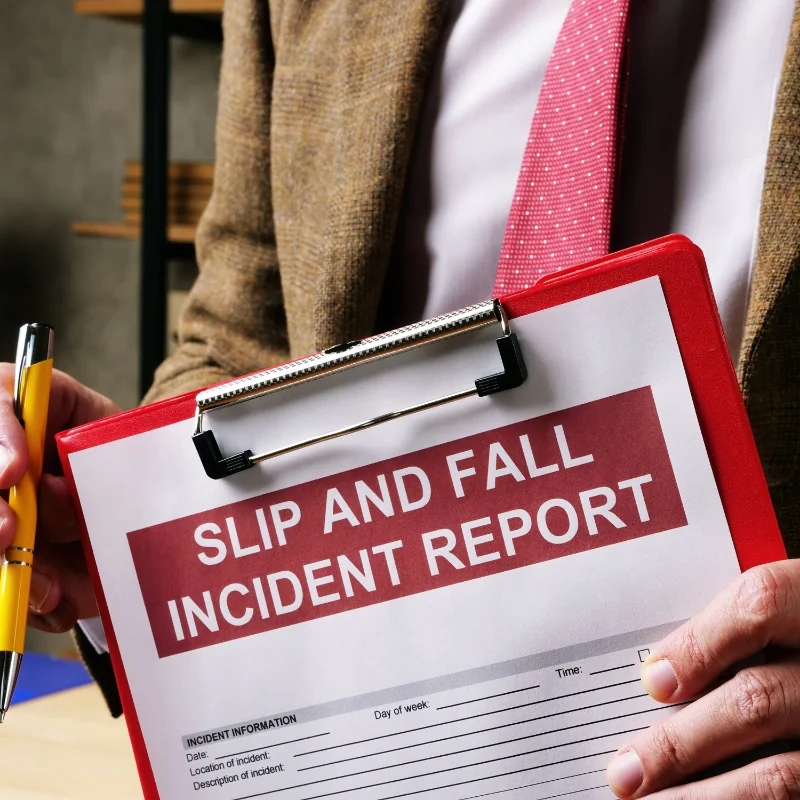
Slip and fall cases are governed by the Occupiers’ Liability Act. The central issue is whether the occupier breached their duty of care.
To establish negligence, key elements include:
- Evidence that a hazardous condition existed.
- Proof the occupier knew or ought to have known about the hazard.
- Failure to take reasonable steps to prevent harm.
- A direct link between the hazard and the injuries.
Claims involving municipalities often require proof of inadequate snow removal activities or failure to address ice and snow within reasonable timeframes. A detailed investigation supports the litigation process and strengthens negotiations with the insurance company.