




At Auger Hollingsworth Accident & Injury Lawyers, our bicycle accident lawyers provide legal representation for injured cyclists seeking compensation after a bicycle accident in Kingston. We handle bicycle collision and motor-vehicle-bicycle accident claims involving city streets, bike lanes, bike paths, and bicycle-designed lanes. If you need a Kingston bicycle accident lawyer after a bike crash, our Kingston personal injury lawyers are ready to protect your rights and pursue justice.

Types of Bicycle-Motor Vehicle Collisions
Cycling accidents in Kingston often involve unsafe interactions between cyclists and motor vehicles. Many cases involve distracted driving, drunk driving, traffic congestion, or aggressive drivers. Our bike injury lawyer team investigates how the bicycle accident occurred and identifies liability under Ontario cycling injury law.
The Right Hook
A right hook happens when a driver turns right across the path of a cyclist travelling straight. These incidents often occur in bike lanes, curb lanes, or at intersections. Poor signalling, failing to check blind spots, and underestimating the cyclist’s speed are common causes.
The Left Cross
A left cross occurs when a motor vehicle turns left in front of an oncoming cyclist. These cyclist accidents often happen on busy city streets and intersections. The driver may misjudge speed or fail to yield.
Dooring
Dooring happens when a driver or passenger opens a car door into a cyclist’s path. This type of bicycle collision is common in urban areas with parked vehicles. In Ontario, dooring is illegal. The law assigns full responsibility to the person opening the door to ensure it is safe to do so. Injuries are often severe due to sudden impact.
Unsafe Passing
Unsafe passing occurs when a motor vehicle fails to maintain a required minimum distance of one-meter when passing a cyclist. Failure to provide this space is an offence under the Ontario Highway Traffic Act. Close passes force cyclists into potholes, streetcar tracks, or construction zones. This creates significant risk for bicycles, e-bikes, and e-scooters.
Pulling Out from Driveways or Parking Lots
Drivers may exit driveways or parking lots without checking for bicycles, e-bikes, or scooters. These collisions often occur on bike paths or bicycle-designed lanes. It is the driver’s legal duty to check before entering the roadway. Visibility and speed miscalculations are common factors.
Rear-End Collisions
Rear-end bicycle accidents occur when a motor vehicle strikes a cyclist from behind. Distracted driving, drunk driving, road rage incidents, and misjudging a cyclist’s speed are frequent causes. Winter cycling conditions can increase stopping distances.

Request a Call Back
NO WIN, NO FEE GUARANTEE

"(Required)" indicates required fields
Common Injuries in Kingston Cycling Accidents
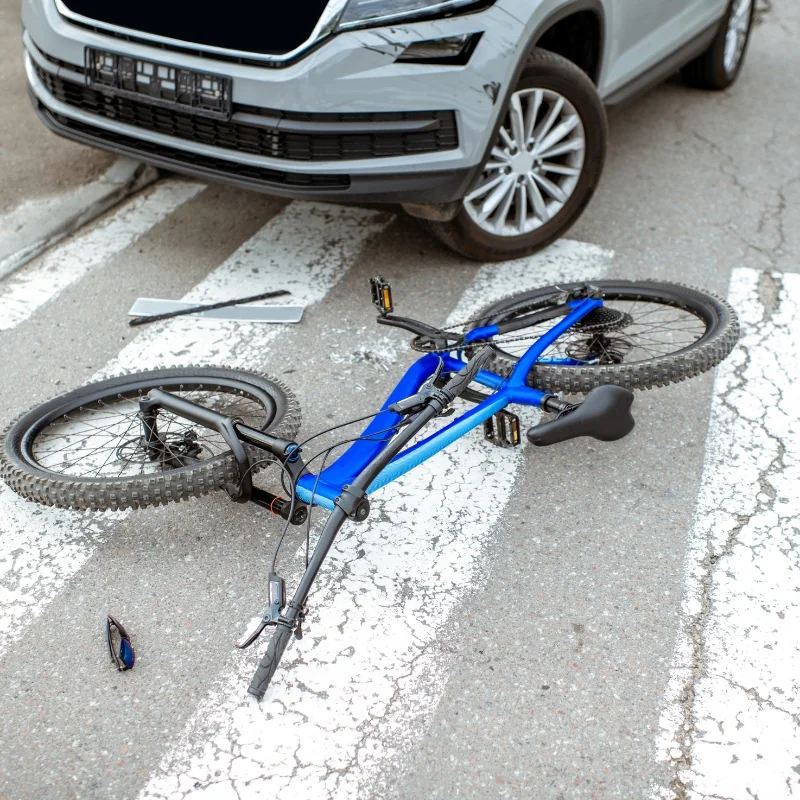
Cycling accidents often cause more severe injuries than other motor vehicle accident claims because cyclists have limited physical protection. Our bicycle accident lawyer team works with treating physicians and specialists to document the full medical impact of each bicycle collision.
Traumatic brain injuries (TBI) and concussions
Even with proper bike helmet safety, a cyclist may suffer a traumatic brain injury. Symptoms can include dizziness, memory loss, vision problems, and reduced concentration. Some brain injuries require long-term neurological care and cognitive rehabilitation.
Spinal cord injuries
Spinal cord injuries can result from high-impact motor-vehicle-bicycle accident cases. These injuries may lead to chronic pain, nerve damage, or partial paralysis. Independent medical assessments are often required to determine long-term impairment and future care needs.
Fractures and broken bones
Fractures are common in a bike crash, especially to the wrists, arms, collarbones, hips, and legs. Surgical repair, physiotherapy, and extended time off work may follow. Recovery timelines vary depending on the severity of the break.
Soft tissue injuries
Soft tissue injuries include ligament tears, whiplash, and muscle strains. These injuries often occur when a cyclist is thrown from bicycles or e-bikes. Pain may persist for months and affect daily function.
Psychological trauma
Cyclist accidents can also cause anxiety, depression, and post-traumatic stress. Fear of returning to cycling or travelling on city streets is common. Psychological injuries are recognized under personal injury law when properly diagnosed.
What Compensation Can You Claim After a Bicycle Accident?
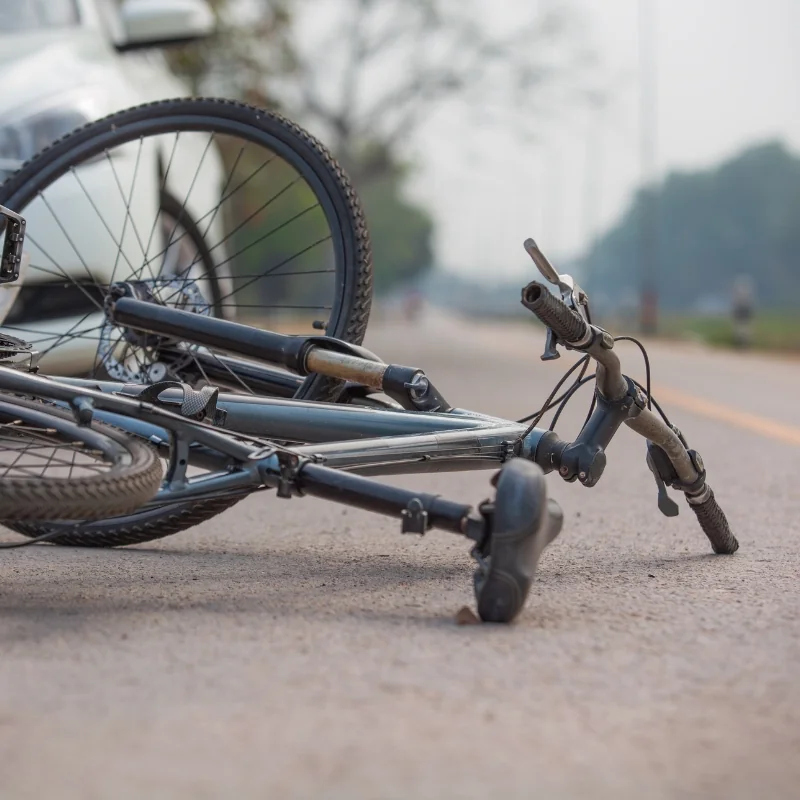
Compensation depends on the nature of the injuries, income impact, and degree of fault. A bicycle accident lawyer reviews both no-fault accident benefits and potential tort claims against the at-fault driver.
Accident Benefits
Under Ontario’s no-fault system, injured cyclists may claim accident benefits from their own insurer or the driver’s insurer. These benefits may include:
- Income replacement benefits
- Medical and rehabilitation expenses
- Attendant care benefits
- Non-earner benefits
- Housekeeping and home maintenance benefits
Tort Compensation
If the driver was negligent, additional compensation may be pursued through a lawsuit. This may include:
- Pain and suffering damages
- Loss of income and future earning capacity
- Future medical and therapy costs
- Out-of-pocket expenses
Each case is assessed based on documented losses, medical evidence, and applicable legal thresholds.