




Our slip and fall lawyers in Guelph help injured people pursue compensation after a slip and fall accident caused by unsafe property conditions. Auger Hollingsworth Accident & Injury Lawyers provides representation in personal injury claims involving slip & fall incidents on private property, commercial spaces, and municipal property. If you were hurt due to negligence and a breach of duty of care, speak with a Guelph personal injury lawyer at Auger Hollingsworth.
We act as your injury lawyer from the first call to the resolution of your case. We manage communication with the insurance company. We guide you through the litigation process when required. Our focus is personal injury law and serious injury-causing accidents across Ontario.

Common Causes of Slip and Fall Accidents in Guelph
Slip and fall accidents often result from preventable hazards. Under the Occupiers’ Liability Act and occupiers’ liability laws, property owners and occupiers must take reasonable steps to keep visitors safe. When they fail to meet this duty of care, premises liability may arise.
Icy and Snowy Conditions
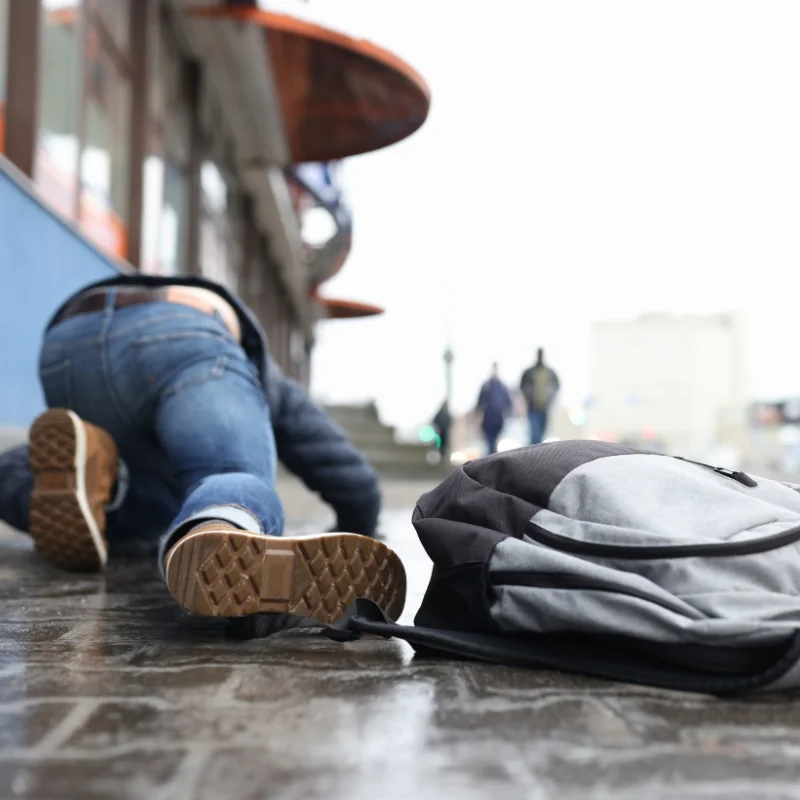
Ice and snow are leading causes of slip and fall accidents in Guelph. Snow and ice on sidewalks, parking lots, and entrances create dangerous conditions, especially when winter maintenance is delayed or inadequate. A private property owner or municipalities may be responsible if reasonable snow removal activities were not carried out.
Uneven Surfaces
Uneven pavement, cracked concrete, potholes, broken tiles, or lifted carpeting can cause serious trip-and-fall incidents. These hazards often form the basis of accident cases involving negligence and breach of duty of care.
Wet or Slippery Floors
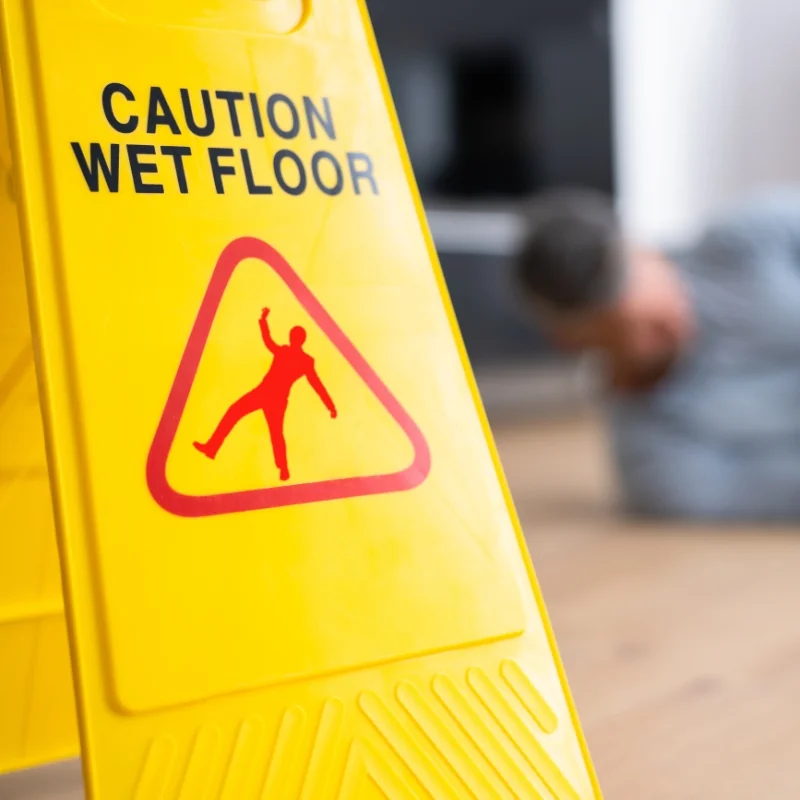
Slippery floors in grocery stores, shopping centres, and office buildings frequently lead to slip and fall injuries. Spills, freshly mopped floors without warning signs, or leaks from equipment must be addressed promptly to meet occupiers’ liability obligations.
Improper Lighting
Poor lighting in stairwells, hallways, or parking garages can conceal hazards. Inadequate visibility may contribute to findings of negligence where a property was not reasonably maintained.
Poorly Maintained Walkways
Walkways, stairs, and common areas must be kept in safe condition. Broken steps, missing tiles, or obstructed paths can expose visitors to unnecessary risk and create legal liability under personal injury law.
Inadequate Handrails
Missing, loose, or unstable railings increase the risk of falls on stairs and ramps. Secure handrails are part of a property owner’s duty of care and failure to maintain them may support a claim for damages.

Request a Call Back
NO WIN, NO FEE GUARANTEE

"(Required)" indicates required fields
Types of Slip and Fall Injuries We Handle
Slip and fall injuries can affect every part of the body. Some resolve in weeks. Others lead to permanent impairment. As a slip and fall lawyer team focused on serious personal injury, we assess both immediate harm and long-term consequences.
Cuts and Bruises
Cuts, lacerations, and bruises may require stitches and follow-up medical treatment. Even minor injuries can lead to complications.
Soft Tissue Damage
Sprains, strains, and ligament damage are common. These injuries may require rehabilitation and physiotherapy.
Fractures
Broken wrists, hips, and ankles often require surgery. Recovery can involve medical equipment and extended time off work.
Head and Brain Injuries
Head trauma can result in concussions or traumatic brain injuries. Symptoms may include memory loss and cognitive impairment. Medical records and specialist reports are critical in these accident cases.
Spinal and Back Injuries
Spinal cord injuries and other spinal cord trauma can cause long-term disability. Spinal cord damage may affect mobility and independence. These cases often involve significant medical expenses and future care costs.
Proving Liability in Slip and Fall Cases
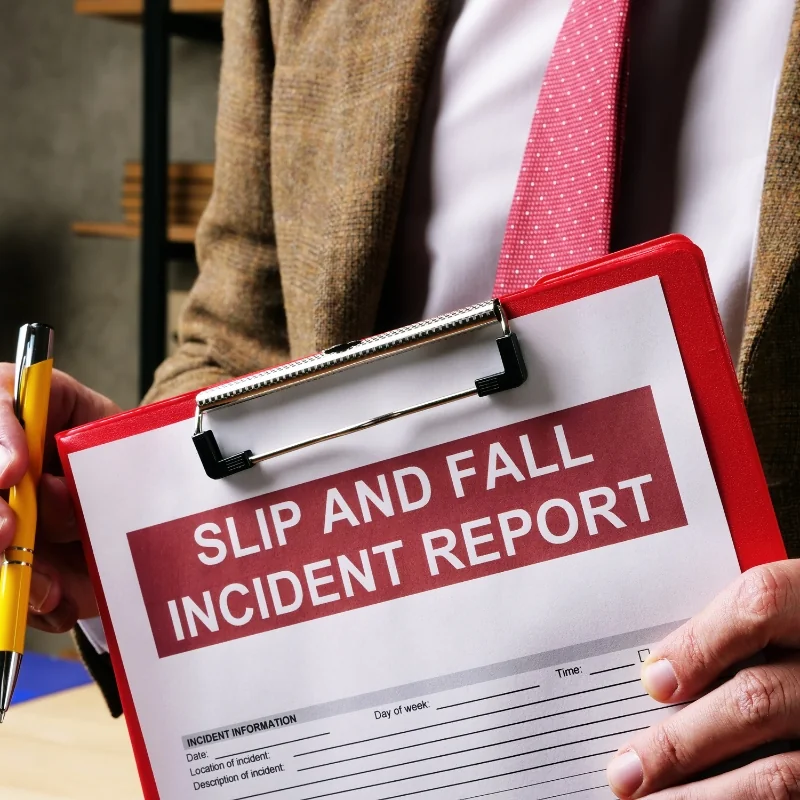
Slip and fall cases are governed by occupiers’ liability and premises liability principles. To succeed, a personal injury lawyer must prove negligence and a breach of duty of care.
The core legal issues are whether a hazard existed, whether the occupier knew or should have known about it, and whether reasonable steps were taken to address it. Property owners must maintain reasonably safe conditions under the Occupiers’ Liability Act.
Evidence is essential in these accident cases. A detailed investigation may include:
- Maintenance and inspection records
- Snow removal contracts and logs showing how ice and snow were managed
- Surveillance footage and video recordings
- Police reports where applicable
- Witness testimony and medical records linking the fall to the injuries
The insurance company may argue that the injured person shares responsibility. This is known as contributory negligence. A thorough review of the facts helps clarify liability and address these arguments during the litigation process.