





A Cambridge bicycle accident lawyer helps injured cyclists understand their rights and pursue compensation after a serious bike crash. Cycling accidents often involve complex liability issues between cyclists, drivers, and insurers. Our Cambridge personal injury lawyers at Auger Hollingsworth provide compassionate legal support to injured cyclists and families across Ontario after bicycle collisions involving motor vehicles.

Cycling is common across Cambridge. Cyclists travel on city streets, bike lanes shared lanes (sharrows), designed bicycle lanes, and bike paths. However, safety issues arise when bicycles interact with motor vehicles in traffic congestion. Distracted driving, aggressive drivers, drunk driving, and road rage incidents increase the risk of serious cyclist accidents.
Types of Bicycle-Motor Vehicle Collisions
Motor-vehicle-bicycle accident cases often follow common patterns. Understanding how these collisions occur helps establish liability in cycling injury law. Many bicycle collisions in Cambridge occur in urban areas where cyclists and drivers interact in tight traffic conditions.
The Right Hook
A right-hook collision occurs when a driver passes a cyclist and turns right directly into their path. The cyclist has little time to react. These bicycle accidents often occur at intersections or when motor vehicles enter parking lots.
This type of bicycle collision frequently causes riders to strike the side of the motor vehicle or the curb. It often occurs when drivers fail to check bike lanes or mirrors before turning.
The Left Cross
The left cross occurs when a motor vehicle turns left across the path of an oncoming cyclist. The driver may misjudge the cyclist’s speed or fail to see the bicycle entirely.
These cycling accidents commonly happen at busy intersections or in areas with limited visibility. Distracted driving and poor intersection awareness often contribute to these bike crashes.
Dooring
Dooring happens when a parked driver or passenger opens a vehicle door into the path of a cyclist. The cyclist may collide with the door or swerve into traffic.
Dooring incidents often occur along narrow city streets where bicycles travel beside parked cars. These bicycle accidents can cause severe injuries due to sudden impact.
Unsafe Passing
Drivers must maintain a safe distance when passing cyclists. Unsafe passing occurs when a driver overtakes a cyclist too closely or fails to give adequate space.
In Ontario, drivers must leave at least one metre of space when passing bicycles where possible. When this rule is ignored, serious bicycle collisions can occur.
Pulling Out from Driveways or Parking Lots
Drivers sometimes exit driveways or parking areas without checking for cyclists travelling along sidewalks, bike paths, or bicycle-designed lanes.
These collisions often occur in construction zones or commercial areas where visibility is limited. Cyclists may have little time to avoid the motor vehicle.
Rear-End Collisions
Rear-end bike accidents occur when a motor vehicle strikes a cyclist from behind. These crashes can happen when drivers are distracted, speeding, or impaired.
Rear-end cyclist accidents often result in severe injuries because the rider has no protection from impact.

Request a Call Back
NO WIN, NO FEE GUARANTEE

"(Required)" indicates required fields
Common Injuries in Cambridge Cycling Accidents
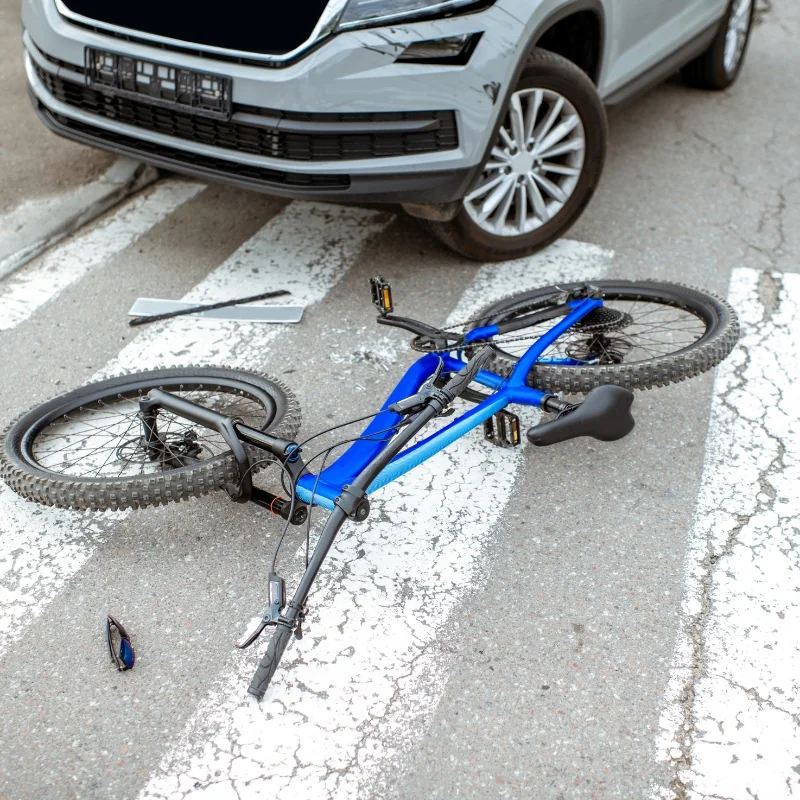
Cycling accidents can cause serious injuries because cyclists have limited protection compared to drivers of motor vehicles. Even with bike helmet safety measures, injuries can be life-changing.
Traumatic Brain Injuries (TBI) and Concussions
Traumatic brain injuries are among the most serious outcomes of a bicycle accident. A cyclist may suffer a concussion or more severe brain trauma after striking the ground or a motor vehicle.
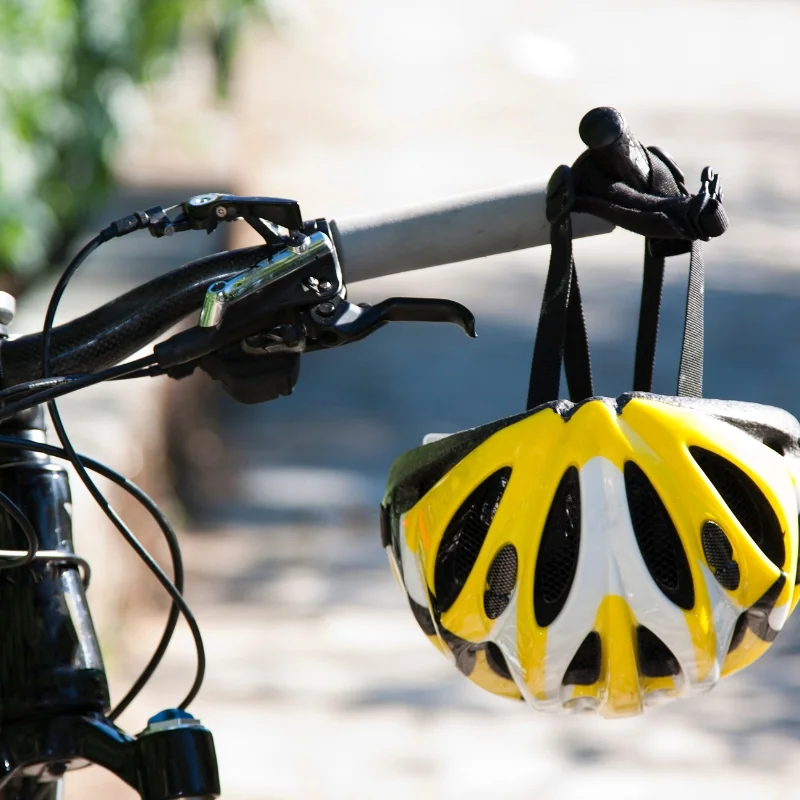
Bike helmet safety reduces risk but does not eliminate it. Many TBI cases require long-term rehabilitation and medical care.
Spinal Cord Injuries
Spinal cord injuries can occur when a cyclist is thrown from a bicycle during a bike crash. Damage to the spinal cord may lead to partial or complete paralysis.
These injuries often require extensive treatment, mobility assistance, and lifelong care.
Fractures and Broken Bones
Fractures commonly occur in the arms, legs, ribs, and collarbone during a bicycle collision. Cyclists often attempt to break their fall with their hands or shoulders.
Broken bones may require surgery, physiotherapy, and long recovery periods.
Soft Tissue Injuries
Soft tissue injuries include sprains, ligament damage, and muscle trauma. These injuries may not appear immediately, but can worsen over time.
Soft tissue injuries frequently occur in cycling accidents caused by sudden impact or twisting motion.
Psychological Trauma
Cycling accidents can also cause psychological trauma. Riders may experience anxiety, fear of cycling again, or post-traumatic stress.
Emotional recovery is an important part of the overall rehabilitation process after a serious bike accident.
What Compensation Can You Claim After a Bicycle Accident?
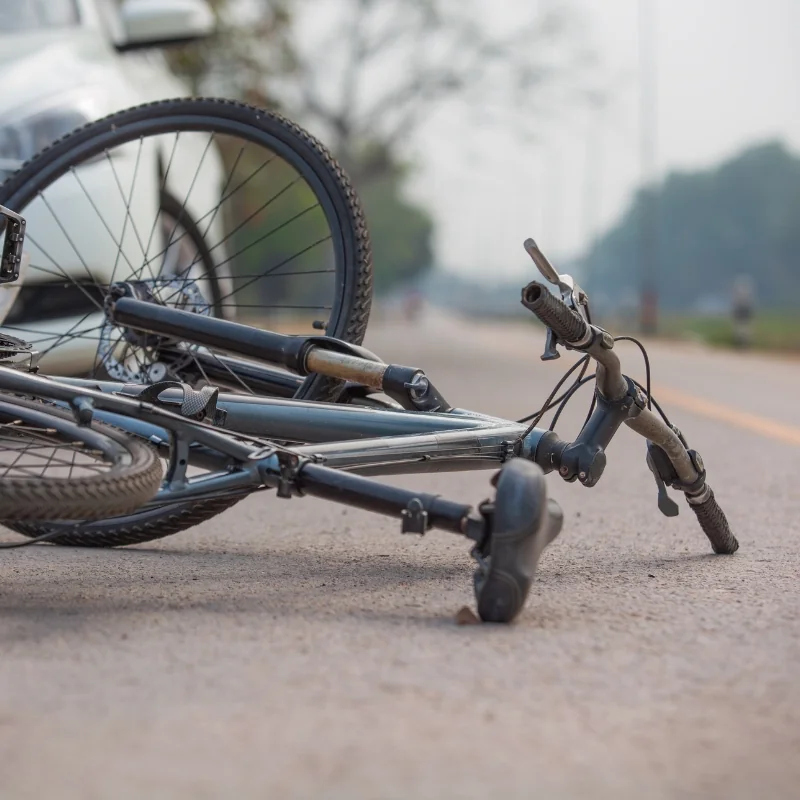
Cyclists injured in a motor-vehicle-bicycle accident in Ontario may qualify for several forms of compensation. Ontario’s insurance system allows injured cyclists to claim accident benefits regardless of who caused the bike accident.
Accident benefits provide financial support while the injured cyclist recovers.
- Medical and rehabilitation expenses
- Income replacement benefits
- Attendant care benefits
- Non-earner benefits for individuals not working at the time of the accident
These benefits are designed to cover immediate recovery needs after a bicycle collision.
If a driver’s negligence caused the bike accident, the injured cyclist may also pursue a lawsuit. A civil claim may provide compensation for broader financial and personal losses.
- Pain and suffering
- Future income loss
- Cost of future care
- Out-of-pocket expenses
A bicycle accident lawyer reviews the available insurance coverage and determines whether both accident benefits and a legal claim apply.