



A Bowmanville car accident lawyer helps accident victims recover compensation after a motor vehicle accident caused by a negligent driver. These cases often involve complex insurance claims, serious injuries, and strict deadlines. Auger Hollingsworth’s personal injury lawyers in Bowmanville, ON provide experienced, compassionate legal support to guide clients through the legal process and pursue fair compensation.

Types of Car Accidents We Handle in Bowmanville
Car accident lawyers handle a wide range of collision types. Each type raises different liability issues, insurance questions, and injury risks. Understanding how these accidents happen helps build strong motor vehicle accident claims.
Hit-and-run accidents
The fault driver leaves the scene. Victims may rely on their own insurance policy for Accident Benefits and may still pursue an accident claim with available evidence.
Highway collisions
High speeds increase the risk of severe injuries. These cases often require accident reconstruction and detailed police reports.
T-bone accidents
Often occur at intersections. Liability depends on right-of-way and traffic signals, with a distracted driver frequently involved.
Rear-end collisions
Common on residential roads and during traffic congestion. The trailing driver is often considered the negligent driver.
Head-on collisions
Among the most serious crashes. Often linked to impaired driving, fatigue, or unsafe passing on icy roads or wet road conditions.
Roll-over accidents
May involve larger vehicles. Causes include loss of control, speed, or hazardous road conditions.
Distracted driving accidents
A distracted driver may fail to react in time. Phone use and in-vehicle distractions are common factors.
Drunk driving accidents
An impaired driver creates a high risk of harm. These cases may involve both civil claims and criminal charges.

Request a Call Back
NO WIN, NO FEE GUARANTEE

"(Required)" indicates required fields
Common Car Accident Injuries in Bowmanville
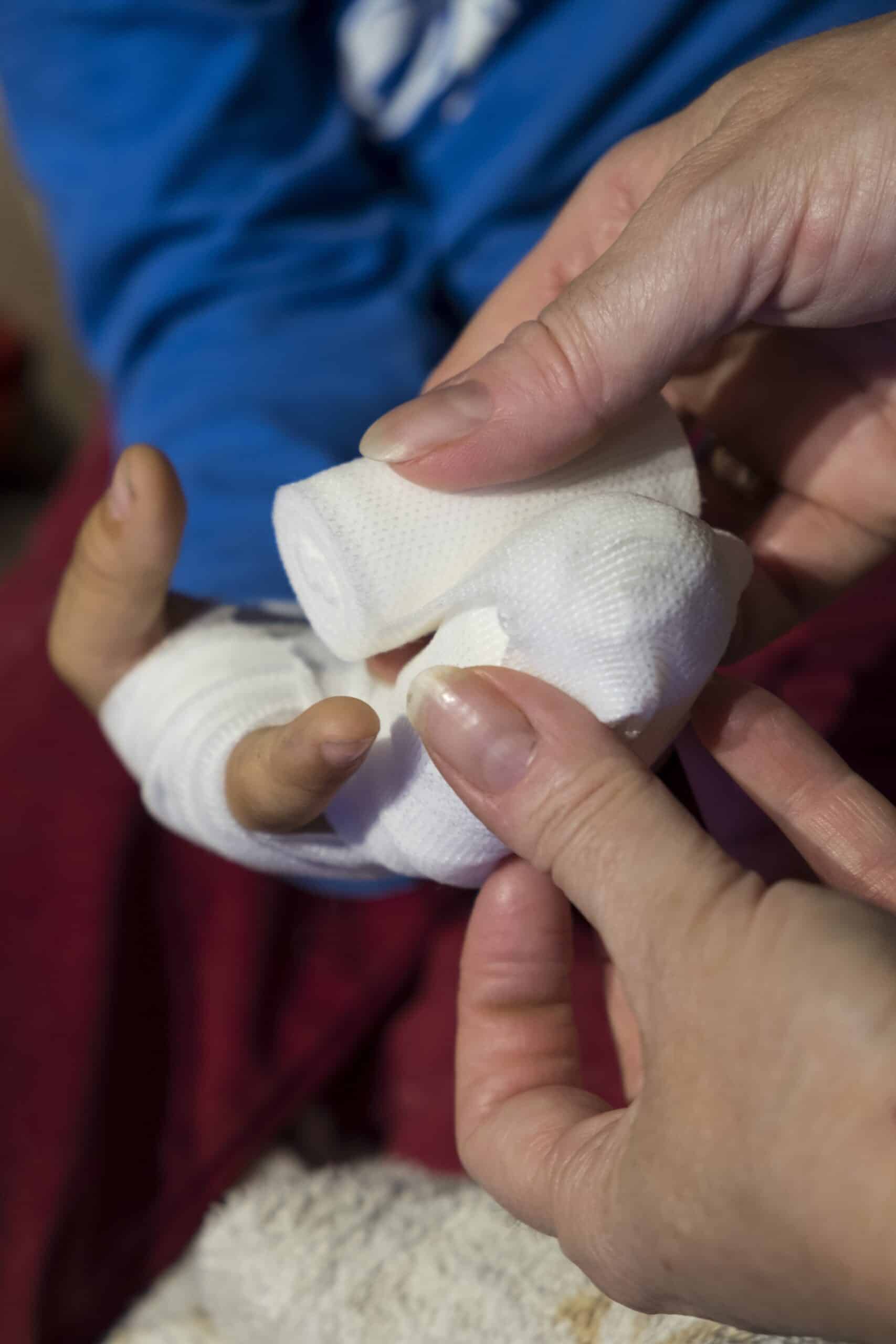
Motor vehicle accident lawyers frequently represent accident victims with a wide range of physical injuries. Some injuries require long-term care and significantly affect daily life and employment.
- Whiplash: A soft tissue injury affecting the neck. Symptoms may include stiffness, headaches, and reduced mobility.
- Fractures and broken bones: May require surgery and rehabilitation. Medical bills and recovery time can be significant.
- Internal bleeding: Often not visible immediately. Requires urgent medical care and monitoring.
- Back and neck injuries: Can limit mobility and ability to work. These injuries often support claims for compensation for pain and loss of function.
- Traumatic brain injuries (TBIs): May affect memory, focus, and behaviour. Long-term treatment and attendant care may be required.
- Spinal cord injuries: Can lead to paralysis or reduced mobility. Attendant care costs and home modifications may be necessary.
- Burns: May result from vehicle fires or explosions. Treatment can involve surgeries and long-term care.
Personal Liability in Car Accidents
Liability depends on whether a driver breached their duty of care. A negligent driver may be responsible if their actions caused the accident and resulting damages. Evidence plays a key role in establishing fault.
- Police reports and police accident reports help document how the accident occurred
- Witness statements may confirm the actions of a distracted driver or impaired driver
- Photos and video footage can show road conditions, vehicle positions, and damage
- Expert opinions may be used to analyze speed, braking, and impact points
- Insurance adjusters may assess fault based on Ontario fault determination rules
Even though Ontario uses a no-fault system for Statutory Accident Benefits, fault still matters. It affects the ability to pursue a personal injury lawsuit for compensation beyond basic benefits. Establishing liability is critical to recovering fair compensation.