





A slip and fall lawyer in Aurora help injured individuals due to unsafe property conditions pursue rightful compensation. Slip and fall accidents can occur on private property, municipal property, or business premises where hazards were left unaddressed. At Auger Hollingsworth Accident & Injury Lawyers, our skilled Aurora personal injury lawyers assist clients across Ontario in navigating personal injury claims under Ontario’s Occupiers’ Liability Act and securing fair compensation for their injuries.

Common Causes of Slip and Fall Accidents in Aurora
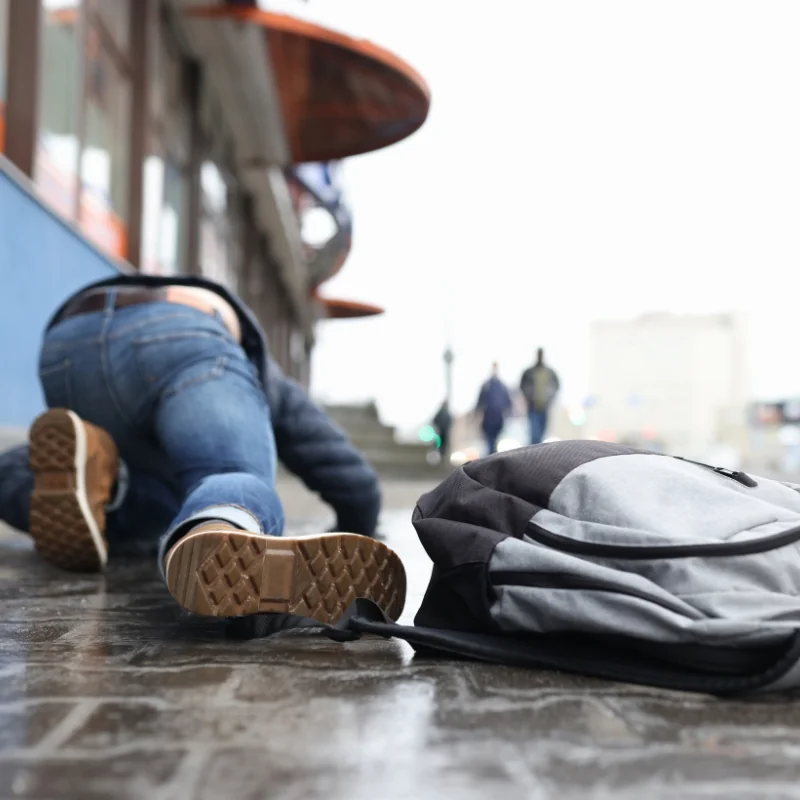
Slip and fall accidents in Aurora often result from property owners failing to maintain safe conditions or provide adequate warnings. These injury-causing accidents can happen indoors or outdoors, especially during Ontario’s harsh winters.
Icy and Snowy Conditions
Snow and ice accumulation on sidewalks, driveways, and parking lots are leading causes of slip & fall incidents. Private property owners and municipalities have a duty of care to clear snow and perform proper snow removal activities. Neglecting this responsibility can result in severe injuries.
Uneven Surfaces
Cracked pavement, potholes, or uneven flooring create tripping hazards. Failing to repair or mark these defects may breach occupier’s liability laws and lead to injury claims.
Wet or Slippery Floors
Spills, cleaning residue, or leaks on slippery floors in grocery stores or malls often cause falls. Businesses must provide warning signs and promptly clean hazards to prevent personal injury.
Improper Lighting
Dim or inadequate lighting in stairwells or hallways makes it difficult for individuals to detect obstacles or level changes, increasing the risk of falls.
Poorly Maintained Walkways
Debris, cracked tiles, or worn carpeting can lead to preventable falls. Property owners must inspect and maintain walking areas regularly to meet their duty of care.
Inadequate Handrails
Missing or loose railings in stairways and ramps are violations of safety standards. These hazards can cause serious slip and fall injuries, including fractures and spinal cord injuries.

Request a Call Back
NO WIN, NO FEE GUARANTEE

"(Required)" indicates required fields
Types of Slip and Fall Injuries We Handle
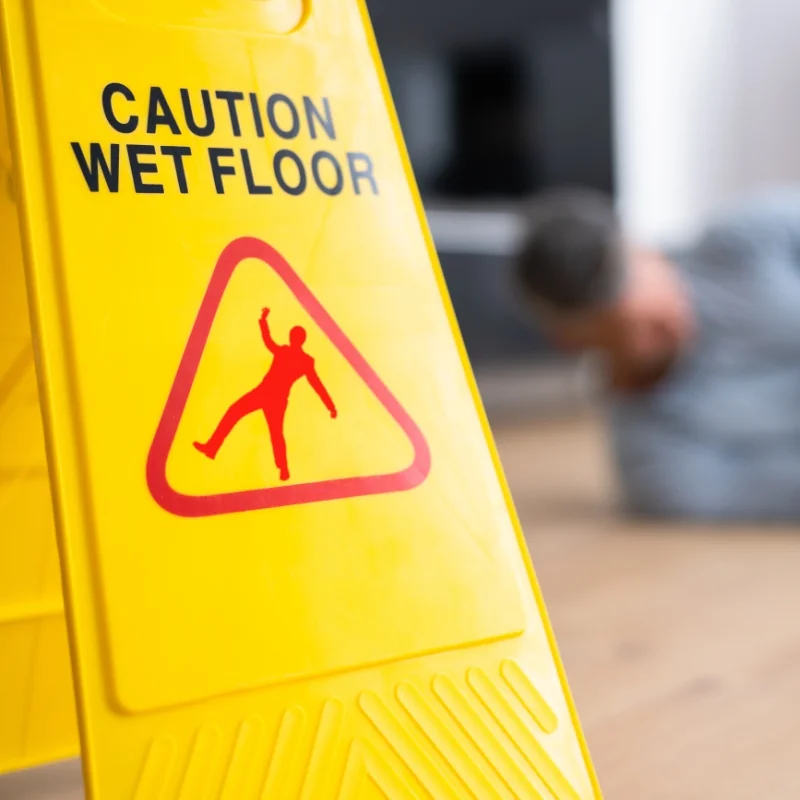
Slip and fall injuries can vary in severity depending on the circumstances of the accident and the individual’s age or physical condition. Our Aurora slip and fall lawyers regularly assist clients with a wide range of injuries caused by unsafe premises. Each case requires careful evaluation of medical records, rehabilitation needs, and the long-term impact on daily life.
Cuts and Bruises
While often considered minor, cuts, bruises, and abrasions may indicate deeper tissue trauma. These injuries can result in medical expenses and time off work, particularly for those in physically demanding jobs. Proper documentation and medical treatment are essential to ensure full recovery and fair compensation.
Soft Tissue Damage
Sprains, strains, and torn ligaments are among the most common soft tissue injuries after a fall. These injuries can be painful and take weeks or months to heal. Victims may require physiotherapy, medical equipment, or workplace accommodations during recovery.
Fractures
Slip and fall accidents frequently lead to broken bones, especially in the wrists, hips, ankles, or shoulders. Fractures can significantly affect mobility and independence, particularly in older adults. Treatment often involves surgery, rehabilitation, and lost income during the recovery period.
Head and Brain Injuries
Head injuries are among the most serious outcomes of slip and fall accidents. Victims may experience concussions, traumatic brain injuries, or long-term cognitive impairments. These cases often require detailed medical evaluations, neuroimaging, and witness testimony to establish the full extent of harm.
Spinal and Back Injuries
Falls can cause spinal cord injuries or severe back trauma, leading to chronic pain, nerve damage, or partial paralysis. The rehabilitation process for spinal injuries can be extensive, involving specialized medical care, ongoing therapy, and significant emotional and financial challenges. Our personal injury lawyers ensure that these complex cases are managed with the attention and expertise they deserve.
Proving Liability in Slip and Fall Cases
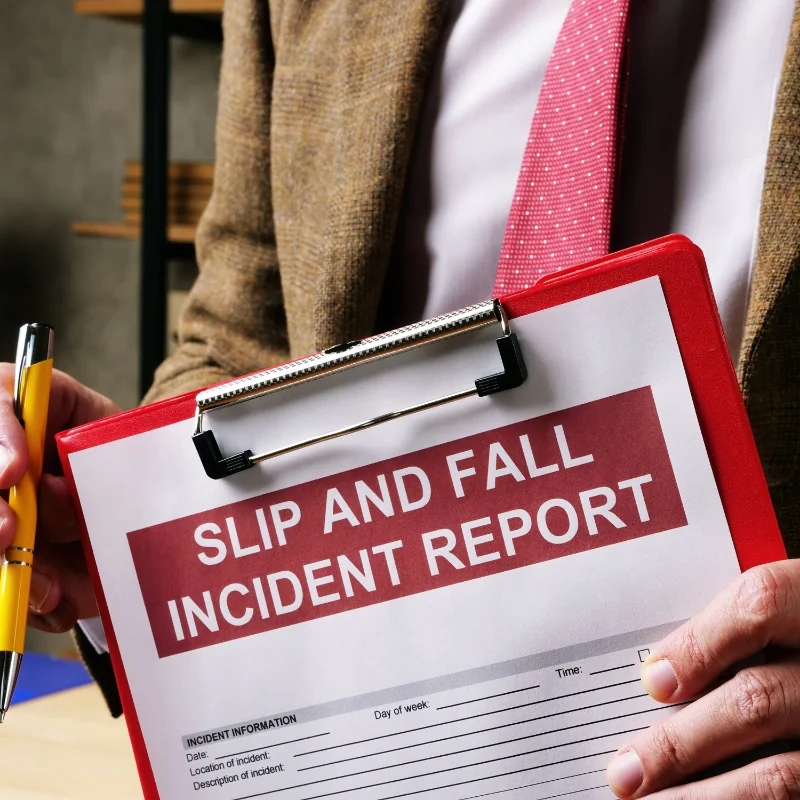
Establishing liability in a slip and fall accident requires demonstrating that a property owner or occupier breached their duty of care under Ontario’s Occupiers’ Liability Act. Both private property owners and municipalities are legally responsible for maintaining reasonably safe conditions. When they fail to do so, victims may have grounds for a personal injury claim.
To prove negligence, your injury lawyer gathers and analyzes evidence to show that:
- The owner or occupier owed a duty of care to keep the premises safe for visitors.
- The owner breached that duty by allowing a hazardous condition to exist—such as snow and ice, slippery floors, poor lighting, or damaged carpeting.
- The hazard directly caused your injuries, supported by medical records and expert assessments.
- You suffered measurable damages, including medical bills, lost income, pain and suffering, and rehabilitation costs.
- Evidence supports liability, such as witness statements, video recordings, maintenance logs, police reports, and medical documentation linking the injuries to the incident.
An experienced personal injury lawyer carefully reviews this evidence, identifies responsible parties, and communicates directly with the insurance company to pursue compensation. In complex cases—such as those involving municipal property or spinal cord injuries—expert testimony may be used to establish causation and quantify losses.