




When you’re unable to work due to a serious medical condition, an Ajax long-term disability lawyer can help you secure the benefits you deserve. At Auger Hollingsworth Accident & Injury Lawyers, our experienced team assists people whose long-term disability claims have been delayed, denied, or terminated by their insurance providers. We provide strategic legal services to ensure that individuals receive the financial support they are entitled to under their disability insurance policies.
Experienced Disability Lawyer in Ajax
Our experienced personal injury lawyers in Ajax understand the complex rules of disability insurance litigation and work to protect your rights. Our team can help team can help you navigate the disability claim process once you have been denied and will communicate with disability insurers on your behalf. We handle all interactions with your insurance company, ensuring your claim is presented with strong medical evidence and clear documentation of your functional limitations.

What Qualifies for Long-Term Disability in Ontario
To qualify for long-term disability benefits in Ontario, an insured person must show that a medical condition prevents them from performing the essential duties of their occupation. This can include physical injuries, mental illnesses, or chronic medical conditions that interfere with normal work performance. Most long-term disability policies include a two-part test for disability:
- Own occupation test: For the first 24 months, you must prove that you cannot perform the main duties of your own job.
- Any occupation test: After that period, the definition shifts — you must show you are unable to perform any job that you are reasonably suited for, based on your education, training, or experience.
Disabling conditions that often qualify include:
- Orthopaedic injuries such as spinal cord injuries, fractures, or severe back pain
- Neurological conditions such as brain injury, stroke, or multiple sclerosis
- Psychological disorders such as depression, anxiety, PTSD, or bipolar disorder
- Chronic pain syndromes that limit movement, concentration, and endurance
- Critical illnesses such as cancer, heart disease, or autoimmune conditions
Eligibility depends on credible medical documentation and continuous treatment. Disability insurers often require reports from physicians, specialists, and therapists that clearly describe how your symptoms prevent you from working. Consistency between your medical records and your reported limitations is essential for approval.

Request a Call Back
NO WIN, NO FEE GUARANTEE

"(Required)" indicates required fields
Types of Long-Term Disability Benefits
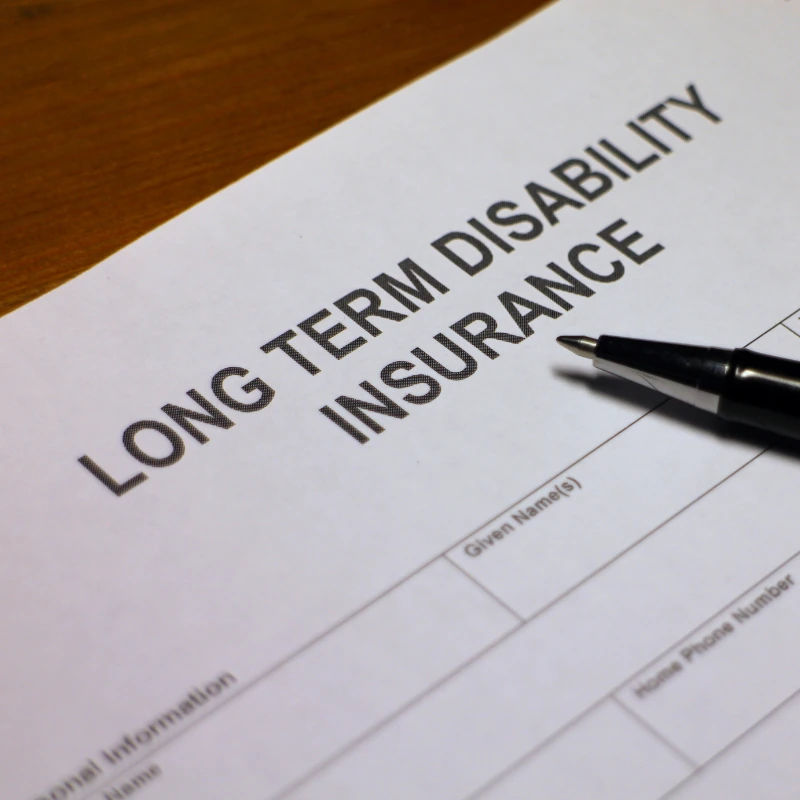 There are several types of disability benefits available in Ontario, depending on the nature of your employment, contributions, and insurance coverage. Understanding each type ensures you access all possible financial supports.
Individual or Group LTD Insurance
These long-term disability insurance plans are typically provided through an employer or purchased individually. They replace a portion of your monthly income—usually 60–70%—if you cannot work due to illness or injury.
Canada Pension Plan Disability (CPPD)
CPPD benefits are available to individuals who have contributed to the Canada Pension Plan and are unable to work because of a severe and prolonged disability. They can be received alongside private LTD benefits in some cases.
Ontario Disability Support Program (ODSP)
ODSP provides financial and employment assistance for people with disabilities who meet provincial eligibility criteria. It can complement short term disability benefits or LTD payments.
 Many long-term disability claims are denied by disability insurance companies even when the insured person has a legitimate condition. Insurers often rely on technicalities, vague policy wording, or incomplete documentation to justify a refusal. Understanding why claims are denied can help prevent delays and strengthen your appeal.
The Process of Filing a Disability Claim
 The disability claim process can be complex and time sensitive. Insurance companies expect thorough documentation and adherence to strict deadlines. Missing a single form or deadline can result in unnecessary delays or a denied disability claim.
A well-prepared long-term disability claim typically involves the following steps:
- Reviewing the Insurance Policy: Carefully read your long-term disability insurance policy to understand your rights, waiting periods, and what constitutes total disability under your plan.
- Gathering Medical Evidence: Work with your doctors to prepare comprehensive medical reports, diagnostic test results, and treatment histories. These documents must clearly link your medical condition to your inability to work.
- Completing the Application: The application package includes forms from you, your employer, and your attending physician. Each must be accurate, consistent, and aligned with the medical facts of your case.
- Submitting to the Insurer: Once your claim is filed, the insurer assigns an adjuster to review your documentation. This stage often involves requests for additional information or independent medical examinations.
- Appealing a Denial: If your claim is rejected, you have the right to appeal internally or proceed to disability insurance litigation. Legal representation can be crucial at this stage to challenge unfair decisions and ensure your claim complies with the insurer’s requirements.
Having an experienced disability lawyer manage the claim process reduces the administrative burden and ensures that your case is properly presented from the start. This support allows you to focus on recovery while your legal team handles complex communications with disability insurance companies.